


Image
By Jeffery Flach
Gorge View Hostel
Most people know what a red herring is. In an argument, it’s the side issue that pulls attention off the real question. A red herring wins attention while the central problem stays unresolved.
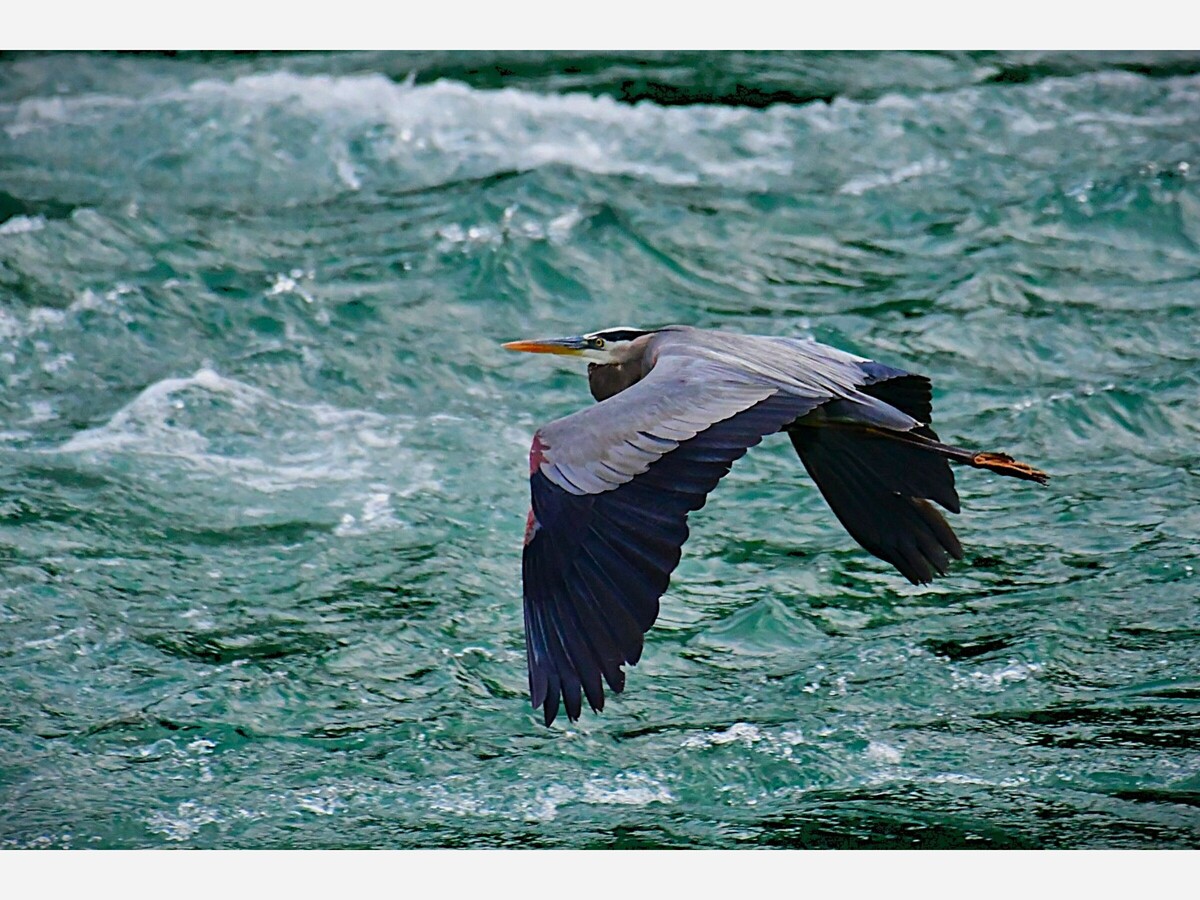
A Blue Herring is quite the contrary. It is hard to miss. It is the subject. It is real. When you see a great blue heron, you see evidence that something is working: water, fish, habitat, and a functioning food web. The bird is not a decoration. It is an ecological receipt.
We need to be smarter here in Niagara Falls. We need to stop ignoring this bird. Especially given the impact the waterfalls have on our local economy and the challenges we face making it work for us. Niagara Falls is a natural wonder and that’s why people choose to come here. For natural wonder. We show them the obvious and hide our ecology. I can say after to talking to well over 20,000 tourists over the past 12 years, it’s ecology they expected. We need to understand our own place better, our own ecology better and share it with our guests in order to disperse them deeper into the city, increasing their stay length, off season visits and improving our economy. I have been pointing out there is much we can do that costs us little in the way of public investment and creates a huge ROI.
The Blue Herring Argument is a bit different. Birds so spectacular, big and obvious should be treated as they deserve. We should treat them as beacons.
The Great Blue Heron compels photography wherever they are seen. For example, a military friend recently posted a photo from Indian Rocks Beach, Florida. A fisherman was working his line at the shore. Nearby, a great blue heron stood with prehistoric stillness—watching, waiting, calculating. Then it moved closer, bold enough to attempt what looked like theft: trying to take fish from the fisherman. My friend didn’t photograph the fisherman. He photographed the heron.
People don’t take photos of what feels routine. They photograph what announces itself—what feels like a brief encounter with something older, wilder, and more real than the day’s schedule.
For many people, a great blue heron is a rarity – especially foreign guests whose continents do not have such birds. If we were in Australia we would love to see a black cockatoo. Australians would go out of their way to ensure we do and make sure it at least costs us an extra meal if not an extra day. An Australian would love to see a Great Blue Heron.
Niagara has them—so why don’t we use them. They show up along banks in the Gorge, and—an can be seen by the dozens in trees, flying and feeding along the southern paths in Artpark north of the Lewiston–Queenston Bridge, mixed with snowy egrets, their alabaster cousin. They are beacons, something for any visitor to behold. But we seldom treat our guests to this majesty. We give them the majesty of the mist—and encourage them to rush out of town.
Our tourism is built around one gravitational center and we scream the State takes the money and leaves us nothing. We fail in our stewardship of our own place and fail to share what is here beyond the waterfalls. The falls are a world-class wonder, but that wonder is a peace of a much larger ecological system. A system distributes flows, of water and life, and it should distribute the flow of tourism.
That is the Blue Herring argument: use what stands out to pull tourism from the falls to other places.
A great blue heron does something the falls cannot do on its own. The falls overwhelm. They are loud, grand, immediate. A heron draws you sideways—toward edges and quiet places. It makes you slow down. It makes you curious. It makes you ask, “What else can I see here?”— and it compels you to discover more.
Blue Herrings can beckon tourists to other places, many of our birds can.
We can add some infrastructure to interpretation. With State Parks announcing the consolidation of Devil’s Hole, Whirlpool, and Niagara Falls State Park, DeVeaux Woods—and the Schoellkopf building worth saving within it—could become a beacon too: a year-round indoor museum and local bird/ecological interpretation center. BEACON — Bird Education Aviary Center Of Niagara.
BEACON would teach visitors our birds—their seasons, habits, and role in the ecology—then send them out to find them in the real landscape. It would become a dependable indoor anchor for off-season visitation and a hub that shapes movement through the city: a reason to take Main Street from the hotel district to an attraction with meaning, and then onward—into the Gorge, along the river, and across the county Lake Shore, the upper river and Hyde Park
Tourism dispersal is not a slogan. It is design. Right now we have a design that concentrates, accelerates, and ejects. Efficient for the single moment; inefficient for the city.
The Blue Herring's argument is a beacon for growth
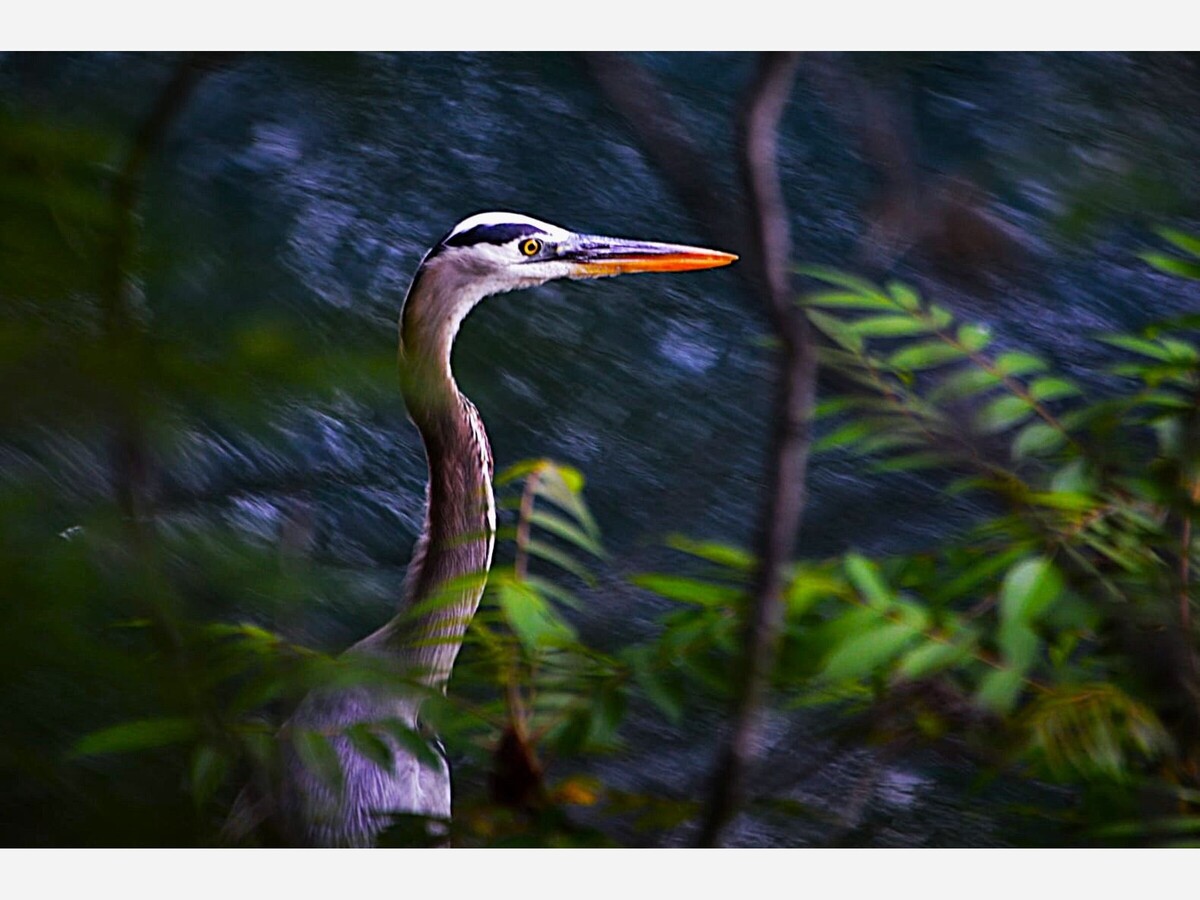
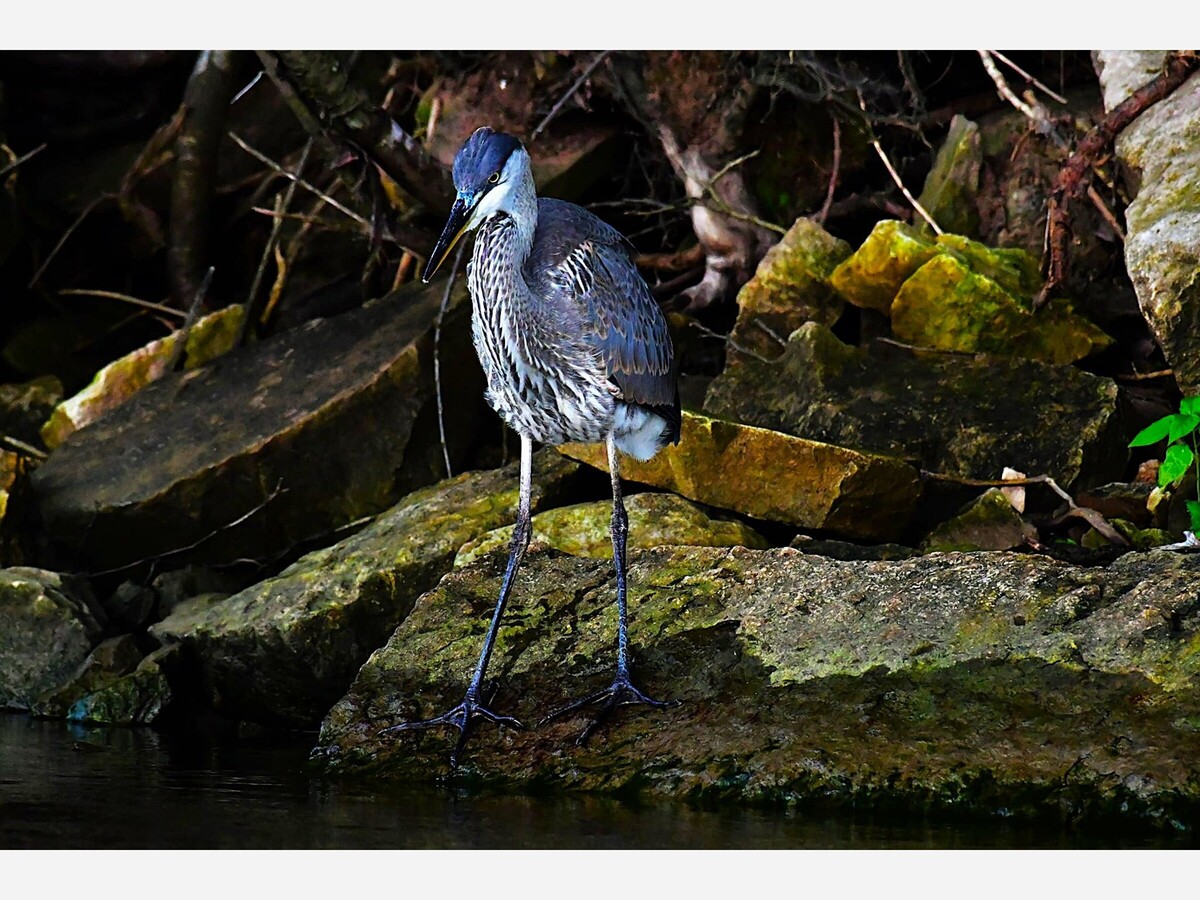
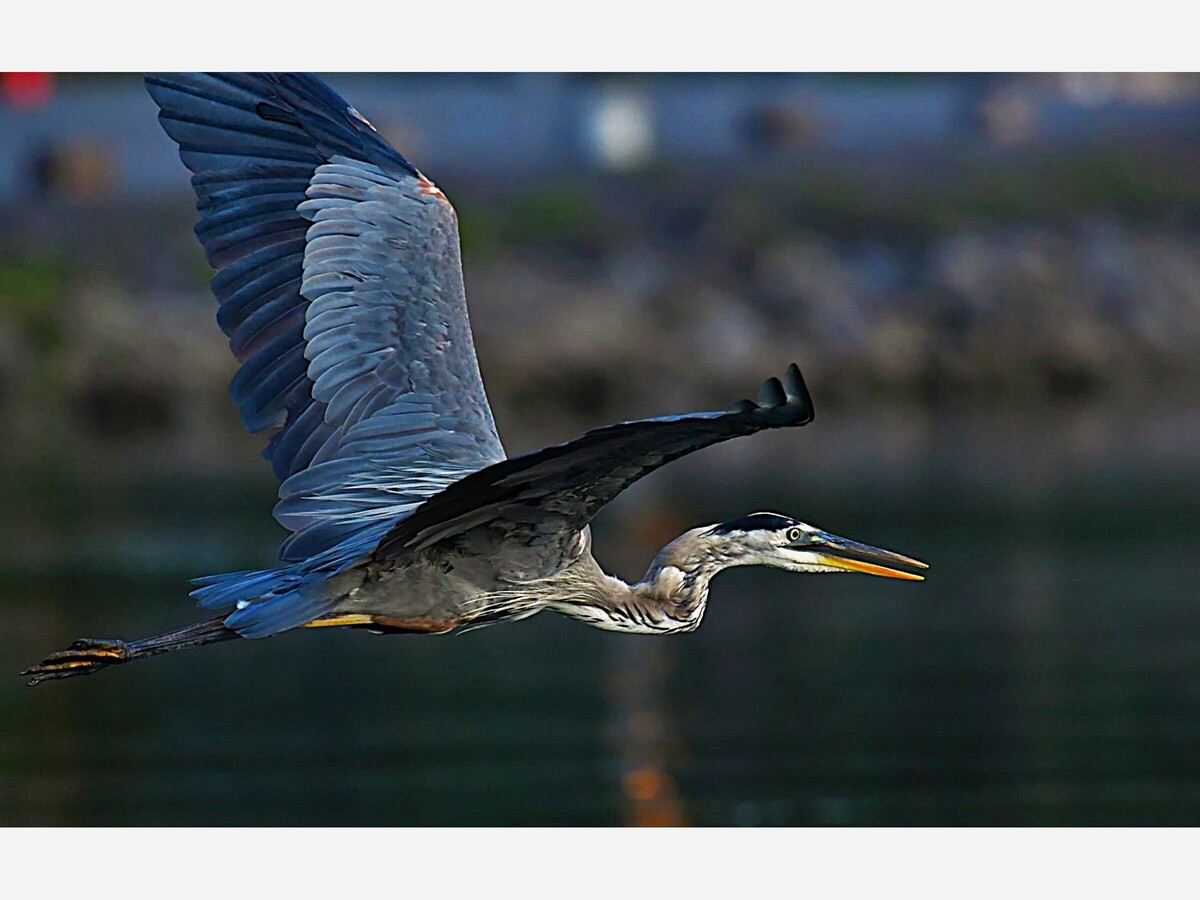

For me, the highlight of last year's Birds on the Niagara Festival was watching a Great Blue Heron cruising down the Niagara River on an ice flow. It was going @ a fast clip @ Lewiston Landing, and looked like it was enjoying the ride! Just myself & two other birders. Agreed; an overlooked attraction of our region.
That is awesome. I wish someone would explain the disconnect between Audubon and BON.
I love this so much.
Jeffery sees the real world from his Hostel. It is good for the soul.

Sunny, with a high of 89 and low of 59 degrees. Sunny in the morning, clear overnight.

One of these days, the dog and I are going to meet up with you and I'll pick your brain on cell service, curing meats in the attic, and the tour guide life!
We're on Whirlpool and have had repeated issues of our cell phones picking up the Canadian cell towers across the gorge and having to argue that we're not roaming to Google fi.
I think the expanded Niagara falls State Park is a good idea because it helps showcase the extensive gorge park and trails from devils hole to the falls. Canadian side does not have anything like that. We are located near Whirlpool and I hope they continue to allow the Meadows to grow wild rather than trying to cr