

Image
(Editor’s note: As the new year approaches, Jeff Flach reflects on the past while looking toward what might come next in another local bird essay. Writing about Caspian Terns encountered unexpectedly at Hyde Park, he uses a quiet moment in nature to make a larger point about “taking a turn”—rethinking how we understand and share the assets already at the heart of Niagara Falls. In doing so, he suggests that better knowing and telling our own stories may be one of the most effective ways to draw visitor movement—and spending—into and across the city’s interior, helping to revive long-overlooked commercial corridors. The Express has not seen terns at Hyde Park but has seen them along the Niagara River shore at Buckhorn State Park where a certain mischievous poodle slipped his leash and went swimming for ducks.)
Gorge Views
Taking Terns
As the calendar turns toward a new year, humans do what we always do at this time: we look back. We take inventory—of moments missed, moments seized, and moments that surprised us by happening at all. Reflection is a seasonal instinct. The year pauses just long enough to ask us whether we want the next one to look the same.
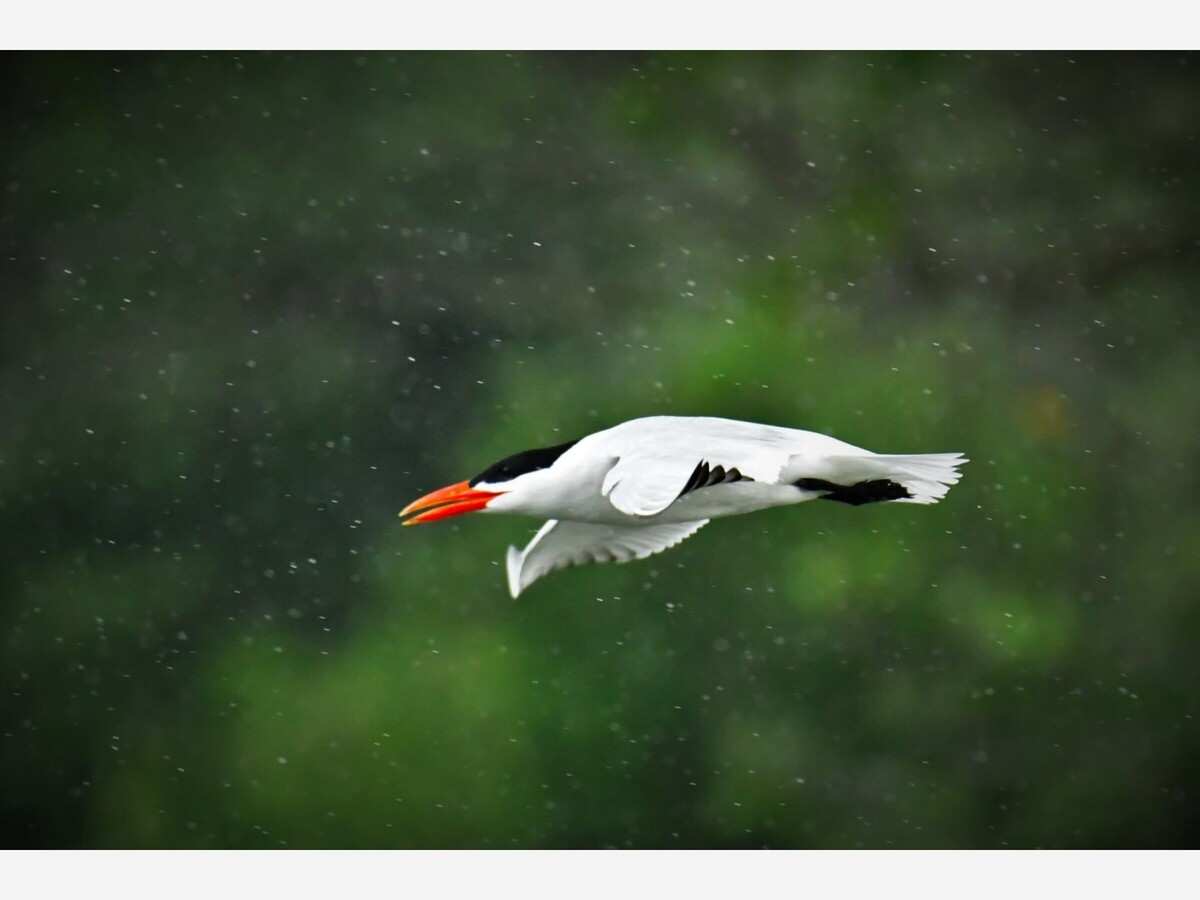
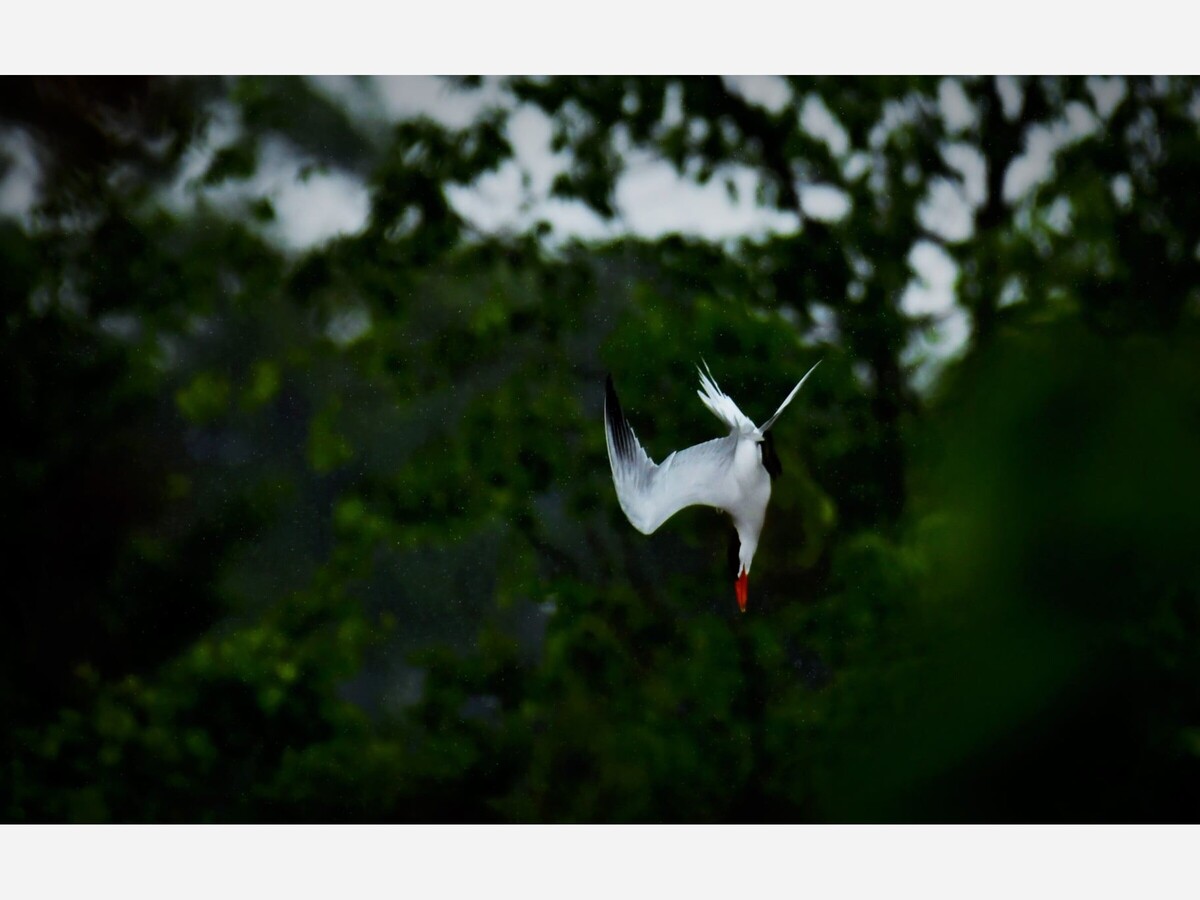
This reflection begins on a warm, rainy day in 2021 at Hyde Park in Niagara Falls.
I was already leaving. The light was flat, the rain steady but not dramatic, the kind of weather that convinces you that you’ve seen everything the day has to offer. Then I heard splashing behind me—sharp, repeated, insistent. I turned around.
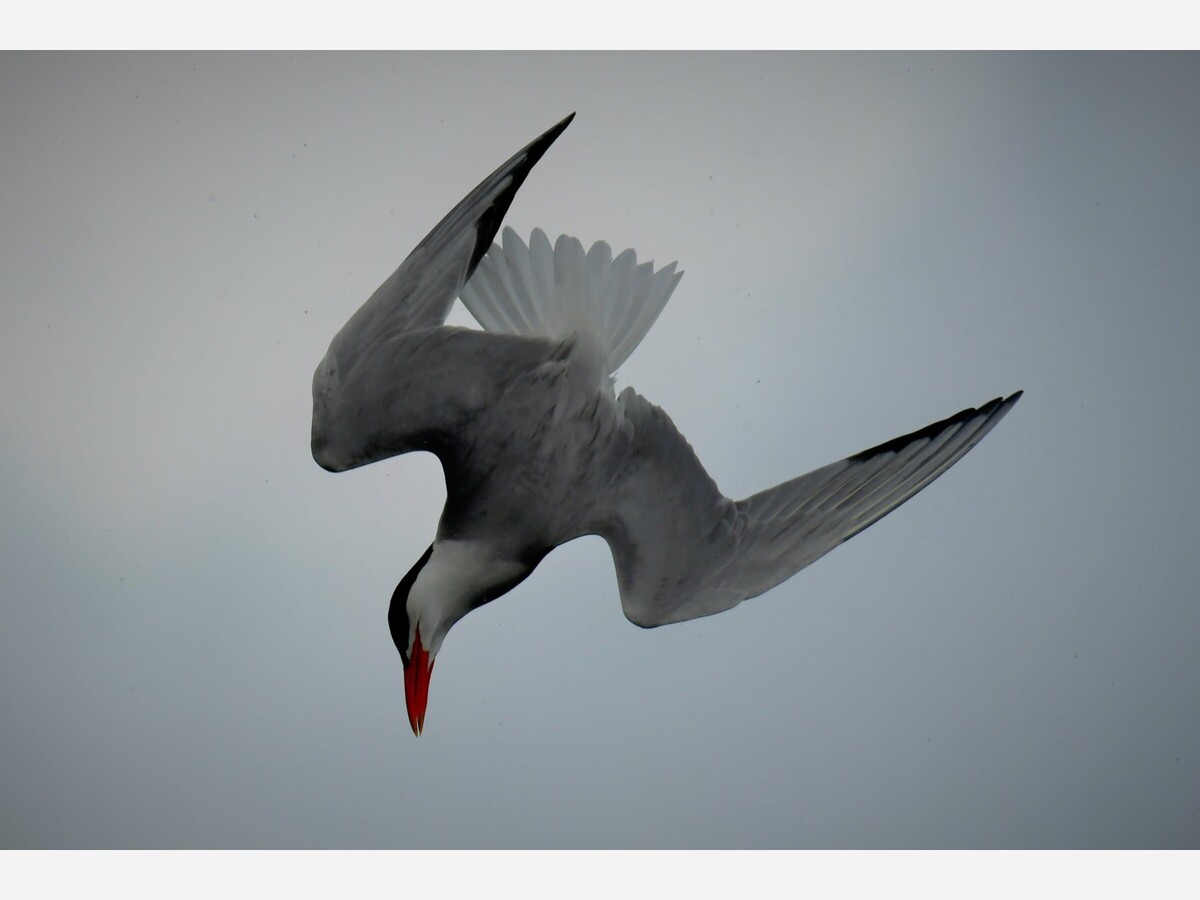
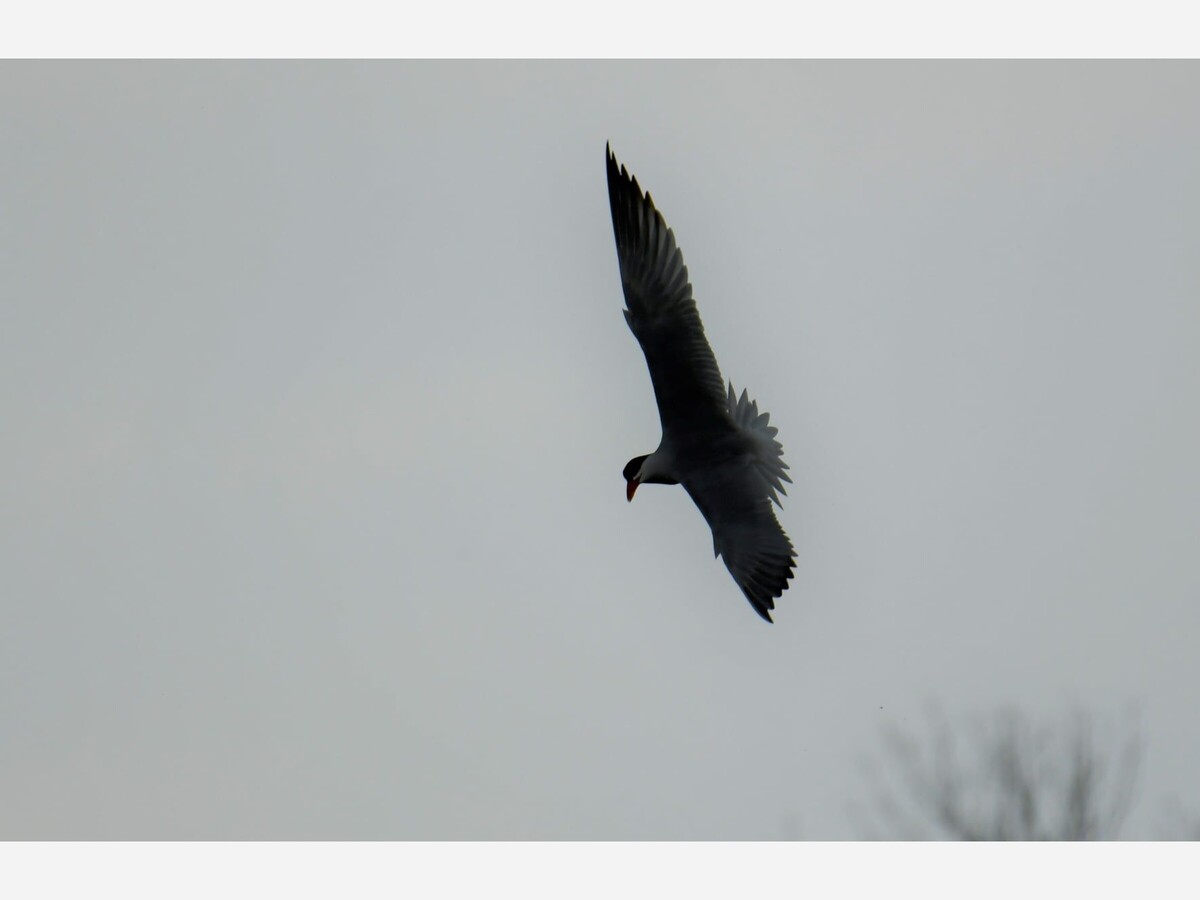
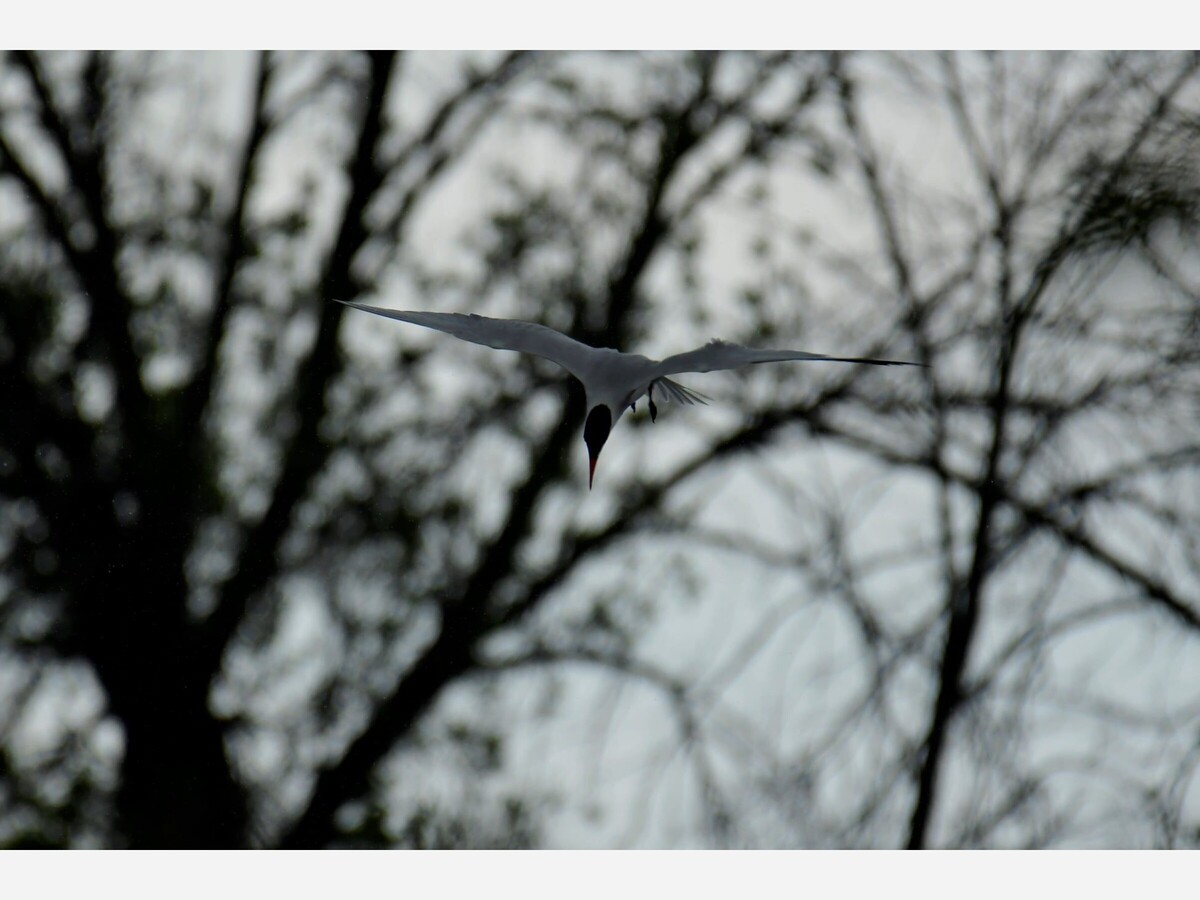
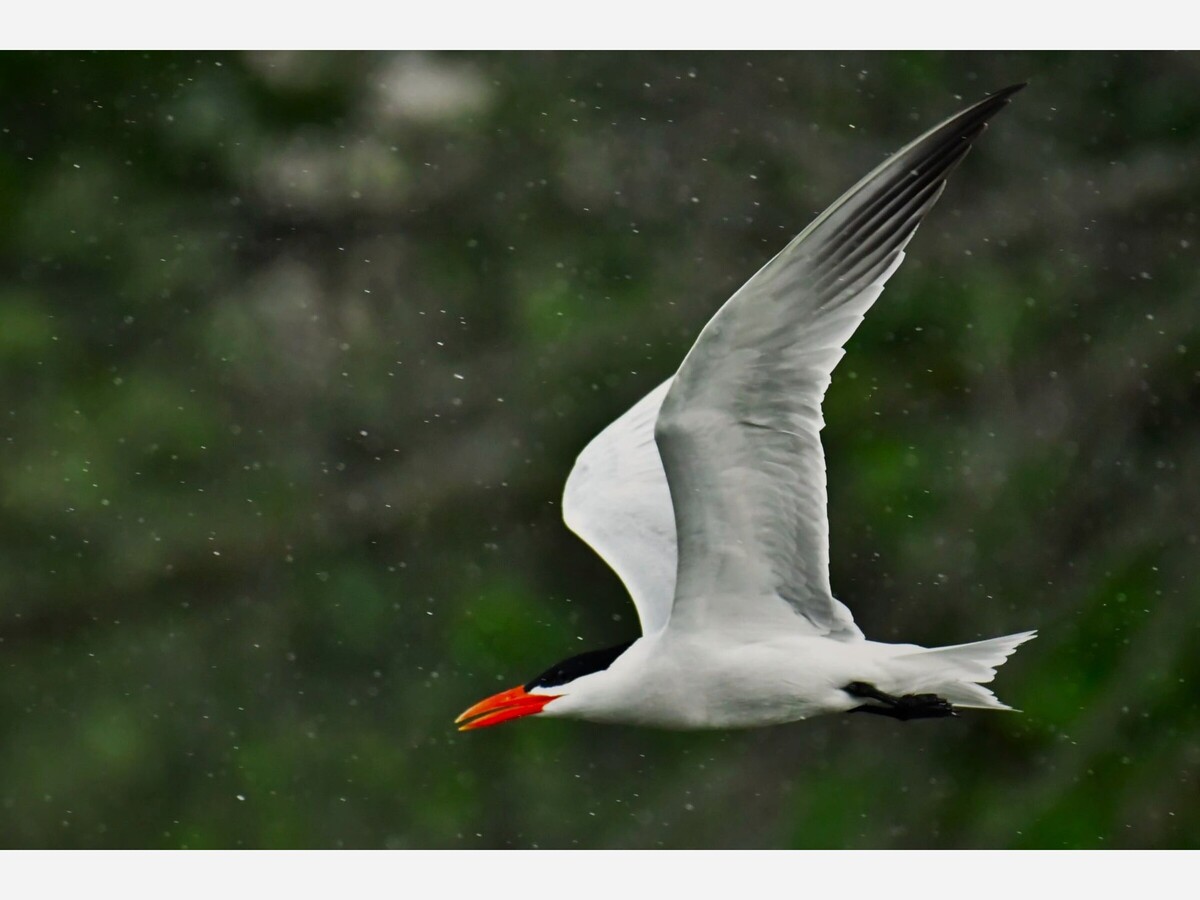
A tern was hunting.
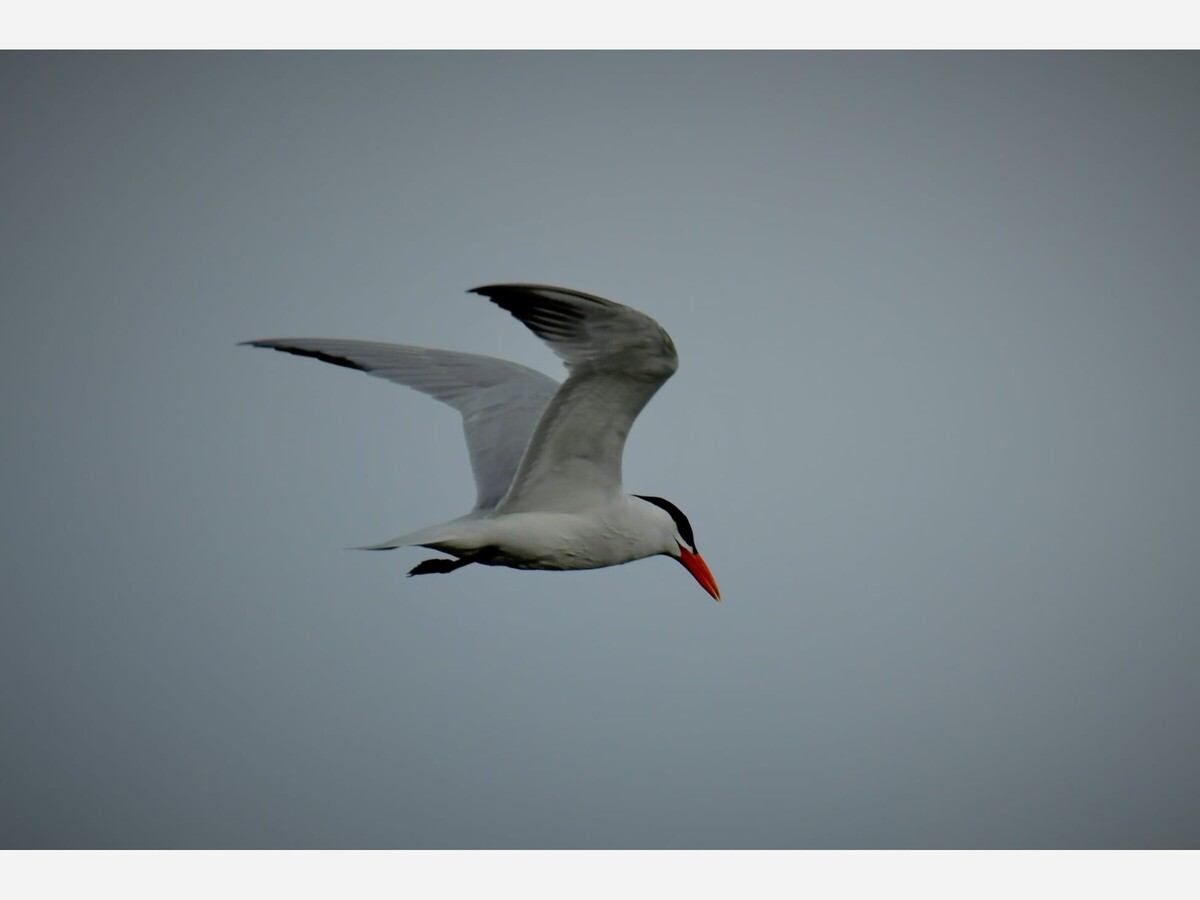
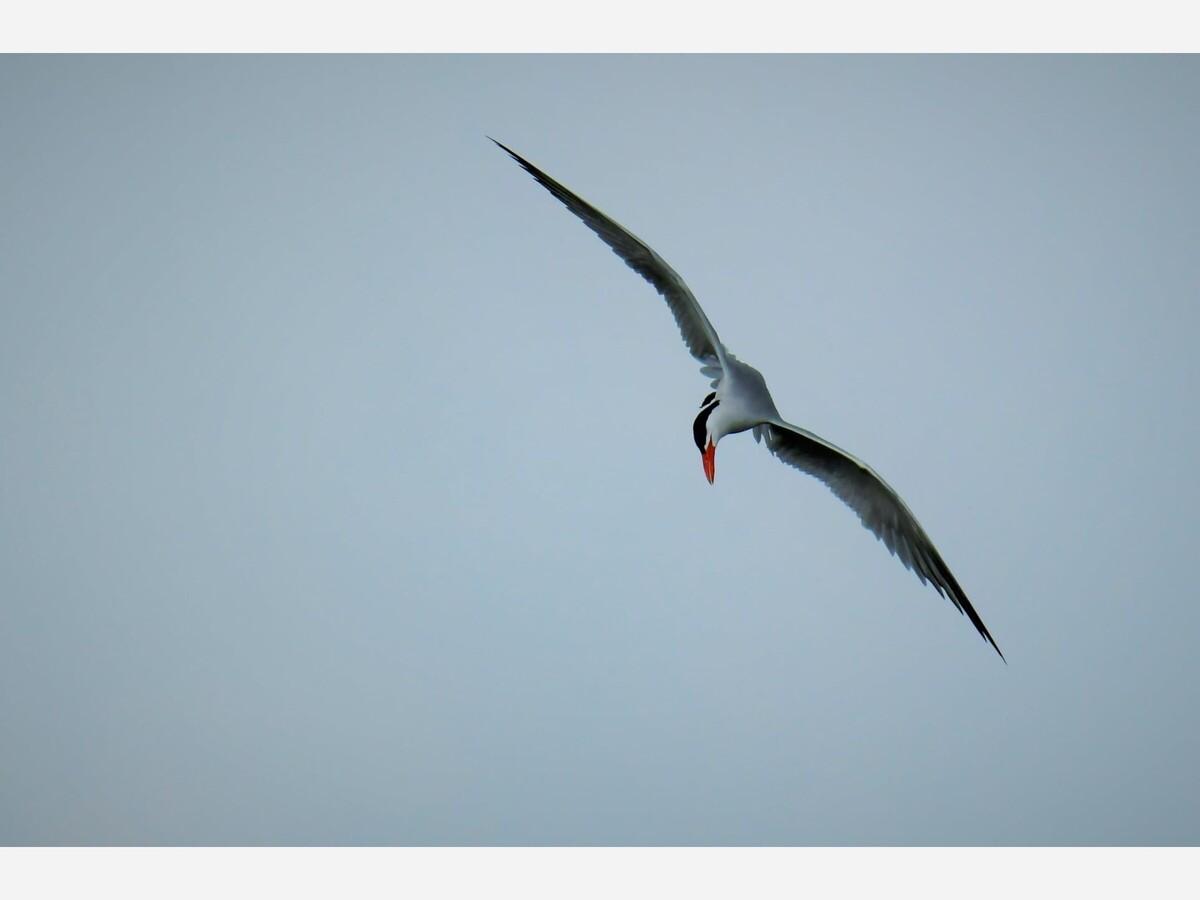
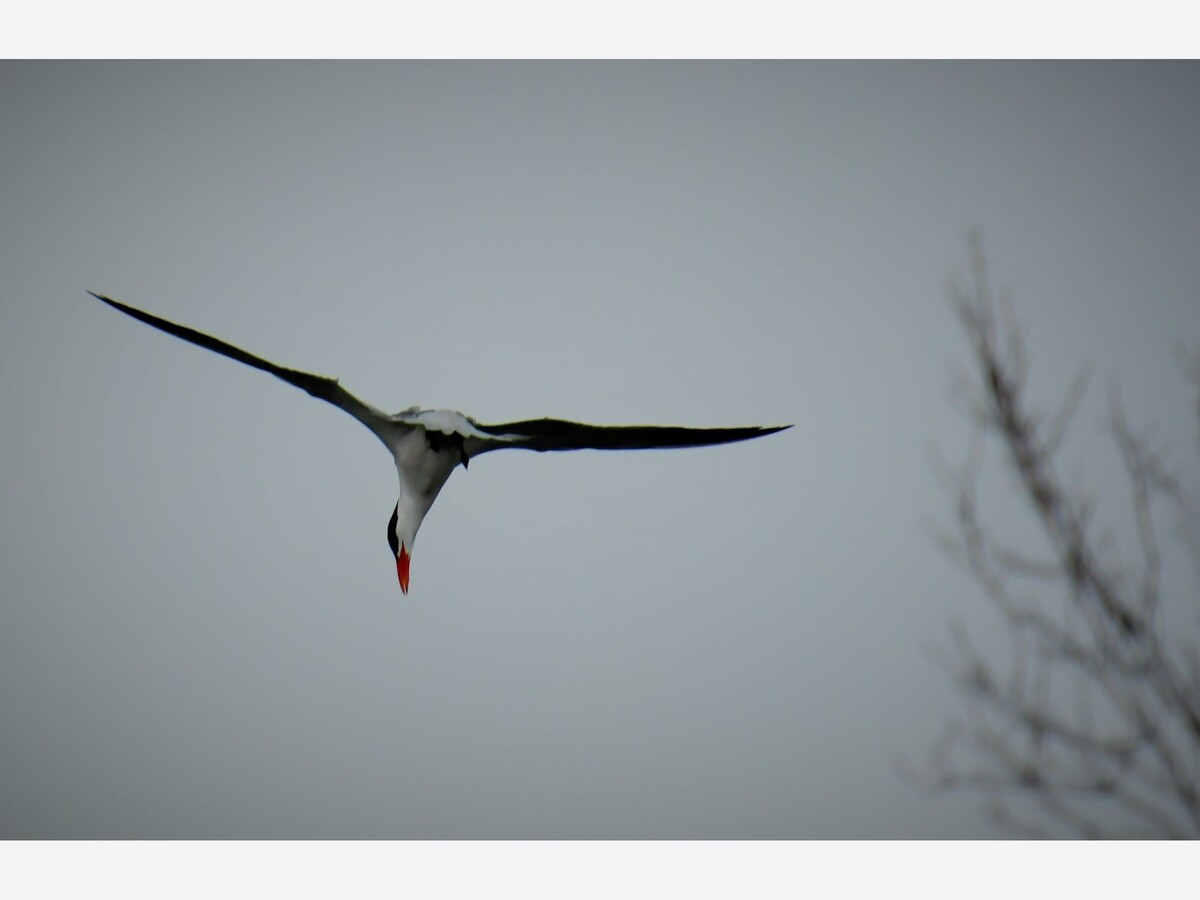
Diving, pulling up at the last second, wheeling back into the air, then plunging again. Focused. Hungry. Playful in that way wild animals sometimes appear playful when they are simply very good at what they do. It was my first Caspian Tern, and Hyde Park was not where I expected to find one.
And yet—after sharing the images later—other residents told me they had seen them too. Over the years. Passing through. Working the water. Always there. I hadn’t discovered something new. I had noticed something old.
That, in its own way, is what “taking turns” really means—not abandoning the past, but choosing to face the future differently. Taking Ternes.
What if the things we believe are absent from the center of our city are not absent at all? What if they’ve simply been overlooked, drowned out by habit, expectation, and well-worn paths?
Niagara Falls is famous for its edges. The brink. The gorge. The spectacle. Tourists arrive, orbit those boundaries, and leave with photographs that prove they were here without ever entering the heart of the city itself. Meanwhile, places like Hyde Park—quiet, central, alive—wait patiently, offering moments that are smaller but no less profound.
A tern hunting in the rain is not a replacement for the Falls. It’s an invitation inward.
Imagine if we treated that inward movement as intentional—if we designed a visitor experience that doesn’t just point to our edges, but gently draws people through our interior. Not by forcing anything, not by gimmicks, but by sharing what is genuinely here: the living ecology, the quiet dramas, the parks and river views, the seasonal patterns, the species that appear when you slow down long enough to see them. If we did that, something practical would follow as a byproduct: visitors would naturally pass through—then pause within—our commercial corridors and neighborhoods. Their spending wouldn’t concentrate in a single strip; it would disperse across more of the city. They would encounter more of us, and we would benefit from being encountered. But this kind of turn requires something first: we have to understand our own place with more clarity—what we have, what it means, how it fits together—and then we have to tell that story well enough that others want to follow it.
Sometimes the future doesn’t require something new.
Sometimes it only asks that we turn around.

Sunny, with a high of 73 and low of 43 degrees. Sunny in the morning, clear in the afternoon and evening,




How big are the air purifiers going to be at the Duke Center and at Schoelkopf? And, you'll be needing just more than one, of course, depending on the size.