
 38° and Patchy rain nearby



Image
By Jeffrey Flach
Special to the Express
Why the Wax Wing?
There are birds that announce themselves—hawks wheeling overhead, gulls shouting along the river, geese stitching the sky with noise. And then there is the Cedar Waxwing, a bird so refined, so quietly present, that many people in Niagara Falls have lived here for decades without ever realizing it shares their neighborhood.
That is precisely why the waxwing matters.
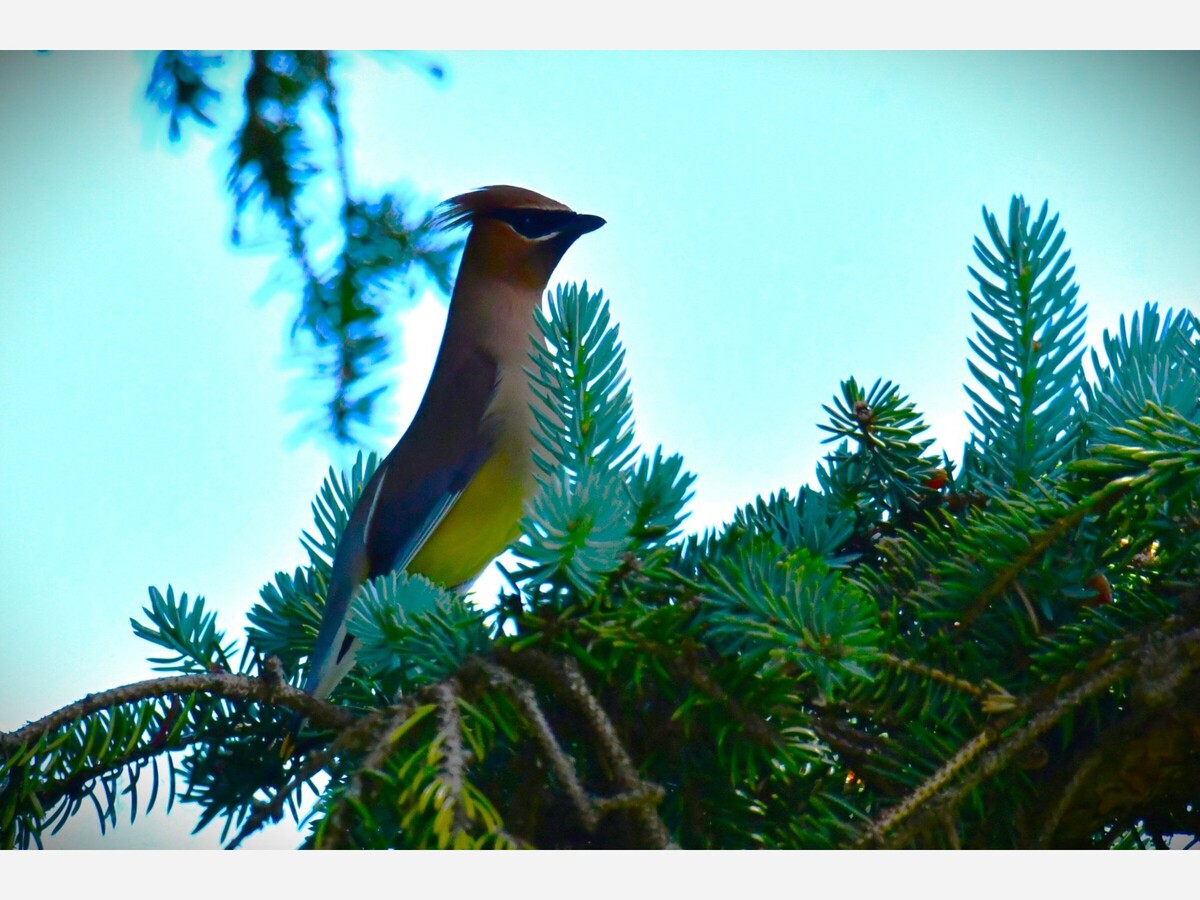
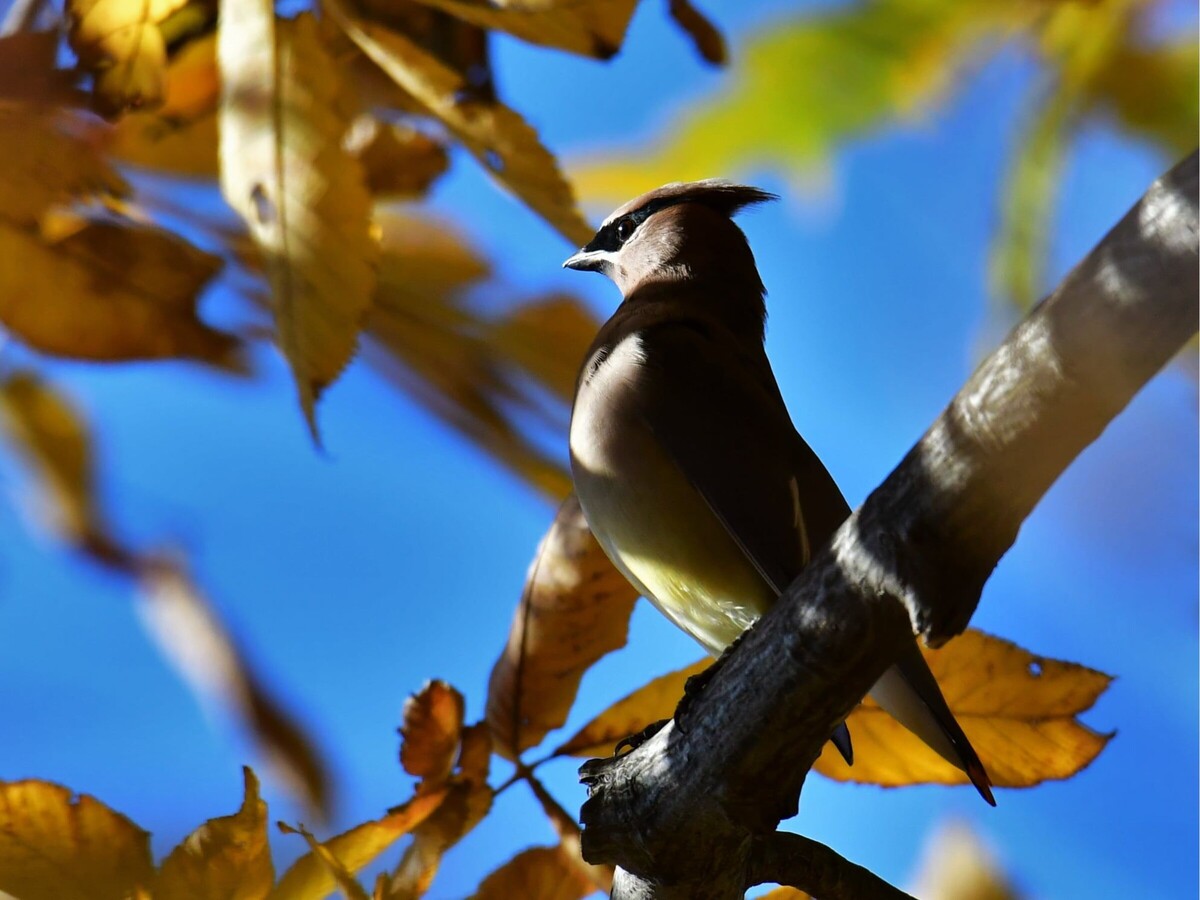
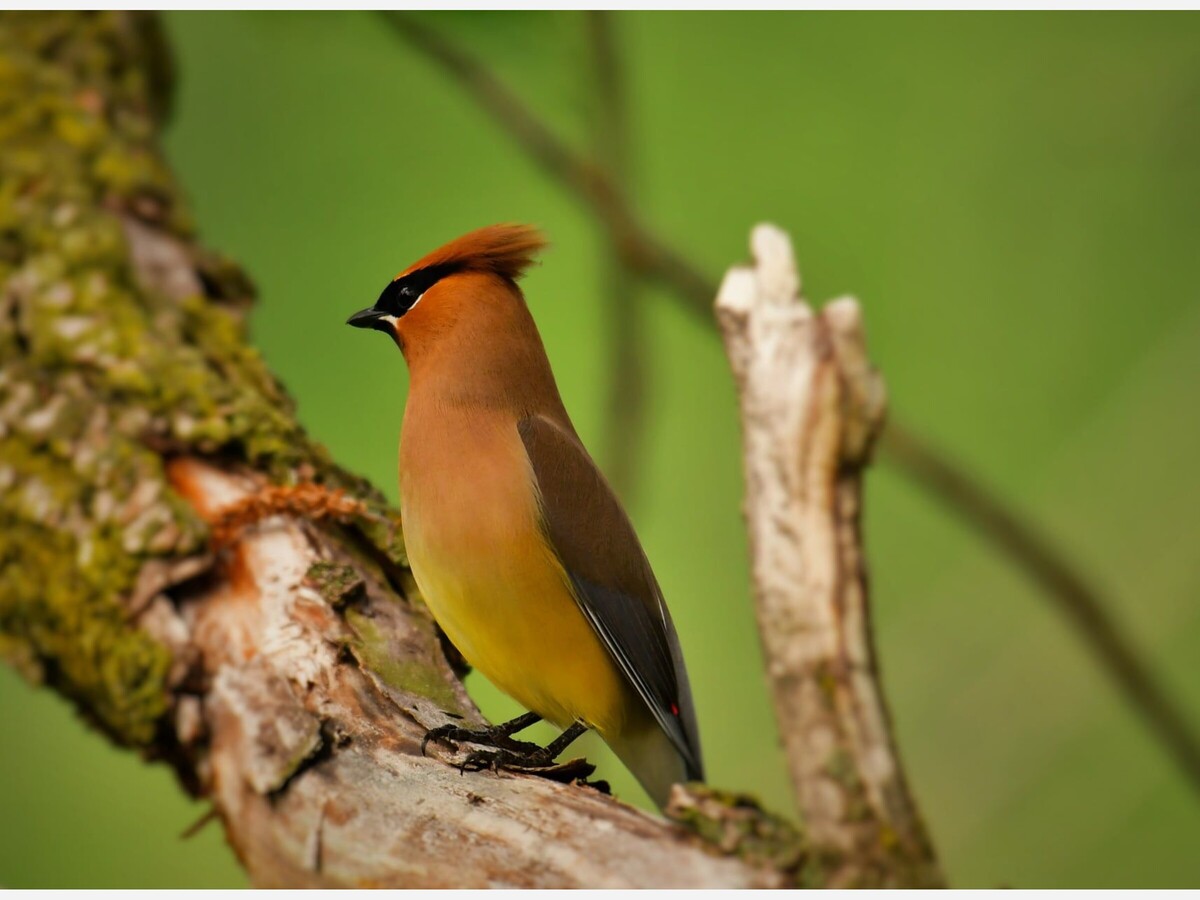
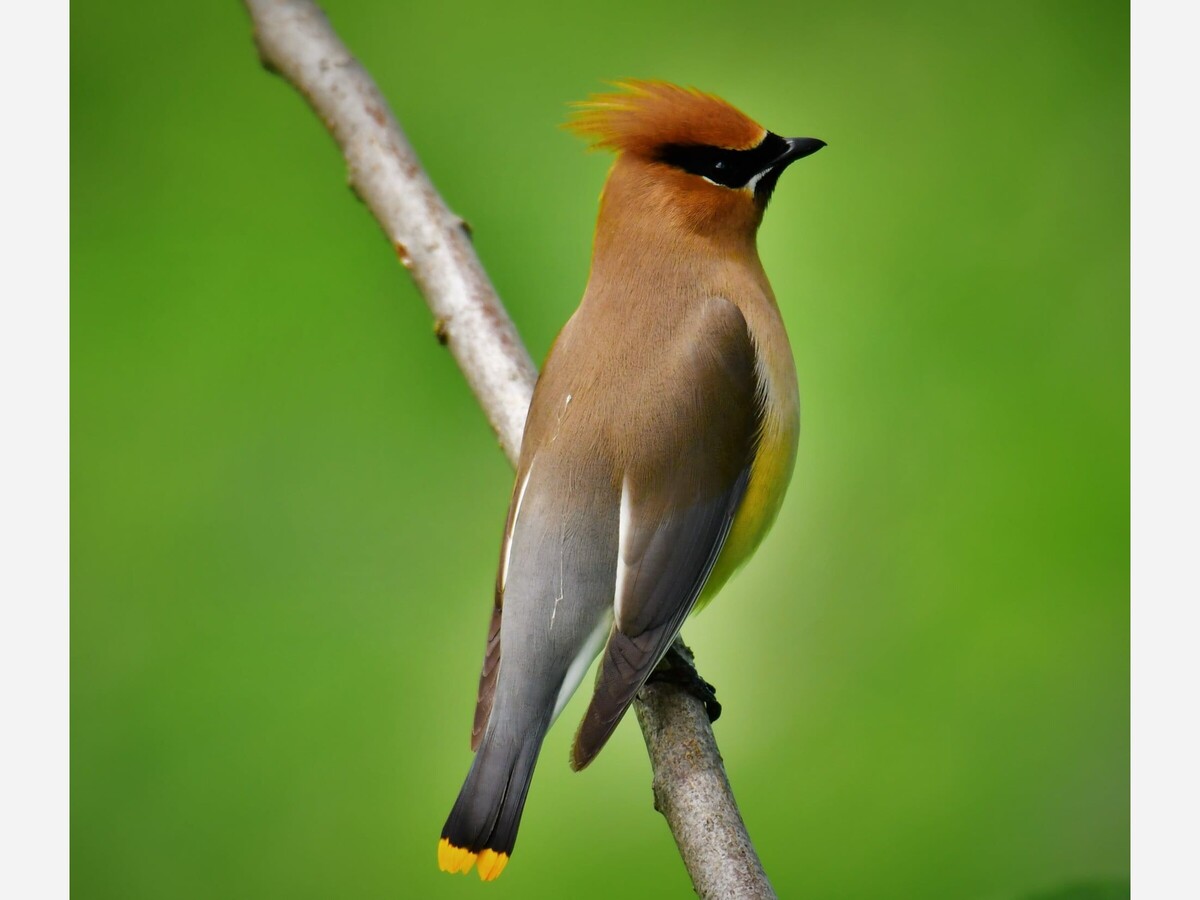
The Cedar Waxwing does not demand attention. It earns it. With its soft brown crest, pale yellow belly, black mask, and the small red “wax” droplets at the tips of its wings, it looks almost unreal—more painted than feathered. It moves through trees in polite flocks, passing berries bird-to-bird as if practicing a ritual of courtesy. You are more likely to notice its presence by the sudden absence of berries on a shrub than by any sound it makes.
And yet, this understated bird plays an outsized role in the ecology of Niagara.
Waxwings are specialists in fruit. Unlike many birds that rely heavily on insects or seeds, waxwings are designed for berries—native berries in particular. Dogwood, serviceberry, cedar, juniper, viburnum, winterberry. When these plants thrive, waxwings thrive. When waxwings thrive, seeds travel. Not randomly, but efficiently—distributed across neighborhoods, parks, river corridors, and forest edges.
In ecological terms, the waxwing is a courier. It connects places.
That matters in a city like Niagara Falls, where green space is fragmented: parks here, river corridors there, neighborhoods stitched together by streets and vacant lots. Waxwings don’t care about property lines. They move freely from the Niagara River Gorge to city blocks, from backyard trees to parkland edges, quietly rebuilding ecological continuity one berry at a time.
This is not abstract environmentalism. This is local, functional ecology—working right now, whether we notice it or not.
And that brings us to the deeper question: why should anyone who isn’t a birder care?
Because ecology is not a luxury. It is infrastructure.
Healthy urban ecology improves air quality, moderates heat, stabilizes soils, manages stormwater, and creates places people actually want to be. The same native shrubs that feed waxwings also cool streets, buffer noise, and soften hard edges of the built environment. These are low-capital investments with compounding returns—especially important for legacy cities that cannot afford endless high-cost redevelopment experiments.
The waxwing becomes a symbol of this quieter, smarter approach.
Unlike headline projects that promise transformation through concrete and steel, waxwing-friendly ecology works through patience and accumulation. Plant the right shrubs. Protect river corridors. Allow edges to be layered instead of mowed flat. Let nature do the heavy lifting. Over time, the city becomes healthier, more beautiful, and more resilient—not through spectacle, but through systems.
There is also a human dimension that is too often overlooked.
People who encounter beauty in their daily lives—real beauty, not curated attractions—are healthier and more grounded. A flash of waxwing wings in winter light, a flock descending on a berry tree outside an apartment window, the quiet surprise of realizing something elegant lives alongside you—these moments matter. They reconnect people to place. They build pride without slogans.
For residents, this translates into quality of life. For visitors, it translates into authenticity.
Niagara Falls is already one of the world’s great natural spectacles. But most international visitors experience it narrowly: hotel, viewpoint, attraction, departure. What if the city also invited them into a living ecological narrative? A place where birds migrate along a globally significant river corridor. Where urban neighborhoods participate in that story. Where nature is not fenced off, but woven in.
Birders already understand this. The Niagara River corridor is internationally recognized for its importance to migratory birds. But you do not need binoculars or expertise to appreciate a waxwing. You only need awareness—and once you have it, you start seeing differently. Trees become habitats. Shrubs become assets. Seasons become events.
This is how low-capital ecological investment becomes economic strategy.
Planting native berry-producing shrubs costs far less than building attractions. Maintaining ecological corridors costs less than repairing their absence. And the return is durable: repeat visitation, longer stays, deeper engagement, and a city brand rooted in stewardship rather than consumption.
The Cedar Waxwing does not shout. It does not sell tickets. It does not pose for selfies.
But it tells a better story—one about connection, continuity, and care.
Why the waxwing?
Because it reveals what Niagara Falls can be when we stop thinking of ecology as decoration and start recognizing it as the quiet engine of a livable city and a richer visitor experience. Because noticing it is the first step toward valuing the systems that sustain us. And because sometimes the most powerful transformations begin not with spectacle, but with a bird most people didn’t know was there—until they looked. The magical moments when I get to see these deep canopy berry bandits, the rarer occasion I catch one with a lens, I wonder why the wax wing? Thanks for reading my answer.

Patchy rain nearby, with a high of 45 and low of 34 degrees. Partly Cloudy in the morning, overcast for the afternoon,




Nothing Ever Gets Better: That sums up the last 20+ years in Niagara Falls. Corrupt government officials. Mismanaged funds. Crumbling Infrastructure. Businesses fleeing the city.

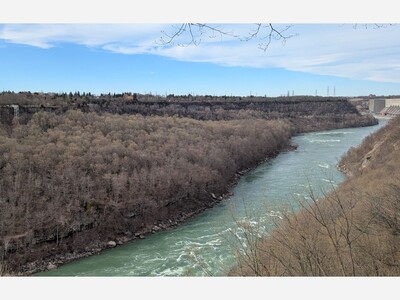
Took a hike from Whirlpool earlier in the week, first time down and up those steps. It was definitely leg day, and I think my Mutt qualified as a service dog dragging me back up!
Thank you, Sharon & Tom!