

Image
By Jeffery Flach
Gorge Views
Niagara Falls is one of the most famous natural wonders on Earth. That fame is a gift that other cities envy. Yet we have learned to use that gift in a way that limits what Niagara can become. We treat the Falls like a golden goose. We feast upon it in summer, leaving no room for golden eggs the rest of the year. The visitors are the eggs. But eggs don’t help the community if they never leave the nest. We call for high-cost capital expenditures to change this but without an off-season market the cost/reward ratio makes them infeasible.
A resilient destination economy is built on repeatability; return visits, stable demand across seasons, and enough consistency for businesses to invest. If your market shows up hard for a short window and disappears the rest of the year, the businesses can’t count on the volume they need to survive. Businesses that should thrive in a healthy destination economy are restaurants, niche shops, venues, micro-museums. What Niagara Falls has is mostly closed for many months out of the year because these businesses would fail if they remained open during the low season months. Ecotourism is a subset of the tourism industry that comes with unique advantages and disadvantages.
Niagara Falls should be an ecotourism powerhouse. We are “nature-first” by brand and by reality. The Falls are an invitation and a living system; however, Niagara is not widely known as an ecotourism destination. Why? Because ecotourism is not just having nature. It is turning nature into a repeatable, guided, educational visitor system that disperses people across a landscape, and benefits the local community. We have a comparative advantage versus our Canadian neighbors who are louder, brighter, and more built up. We are the more natural side. That is not a weakness. It is a complementary if not competitive edge—if we choose to use it.
Across the world’s successful ecotourism locations, two ingredients show up again and again:
People don’t travel for abstract ecological virtue. They travel for a story they can enter and a reliable encounter they can share: come here, at this time, and you will see this. Signature species turn a landscape into a promise. Niagara Falls has many signature species, often seasonal, meaning we can build a rotating calendar of ecological “beacons” that naturally distributes tourism across fall, winter, and spring. That should be our strategy.
In summer our golden goose is the goose doing what it should: laying eggs. The mistake is failing to treat those visitors as a marketing reservoir. Every visitor who stands at the railing in July is a potential return visitor in February if they leave with a compelling reason to come back. That reason must be seasonal and species based. The off-season should be marketed as “different.” And “different” becomes real when it is anchored to signature species and repeatable experiences.
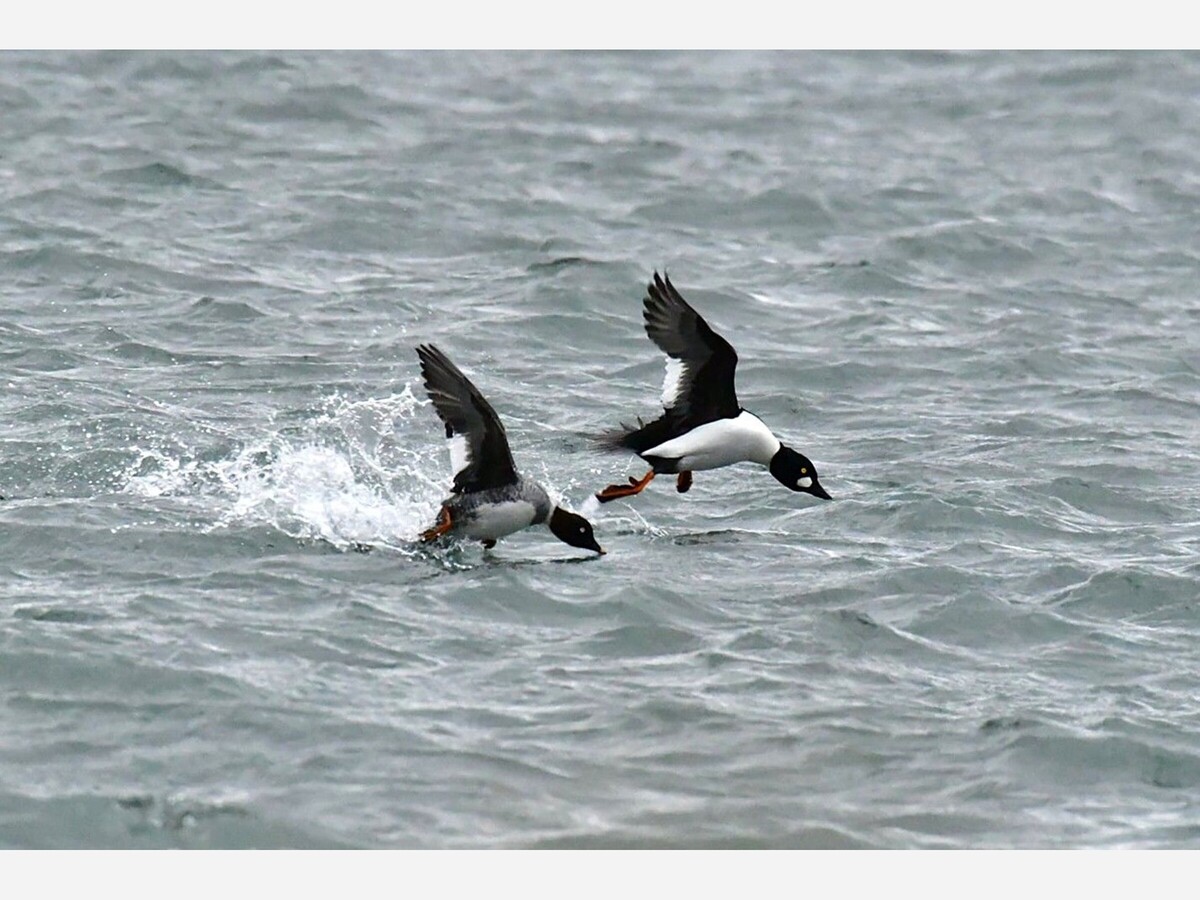
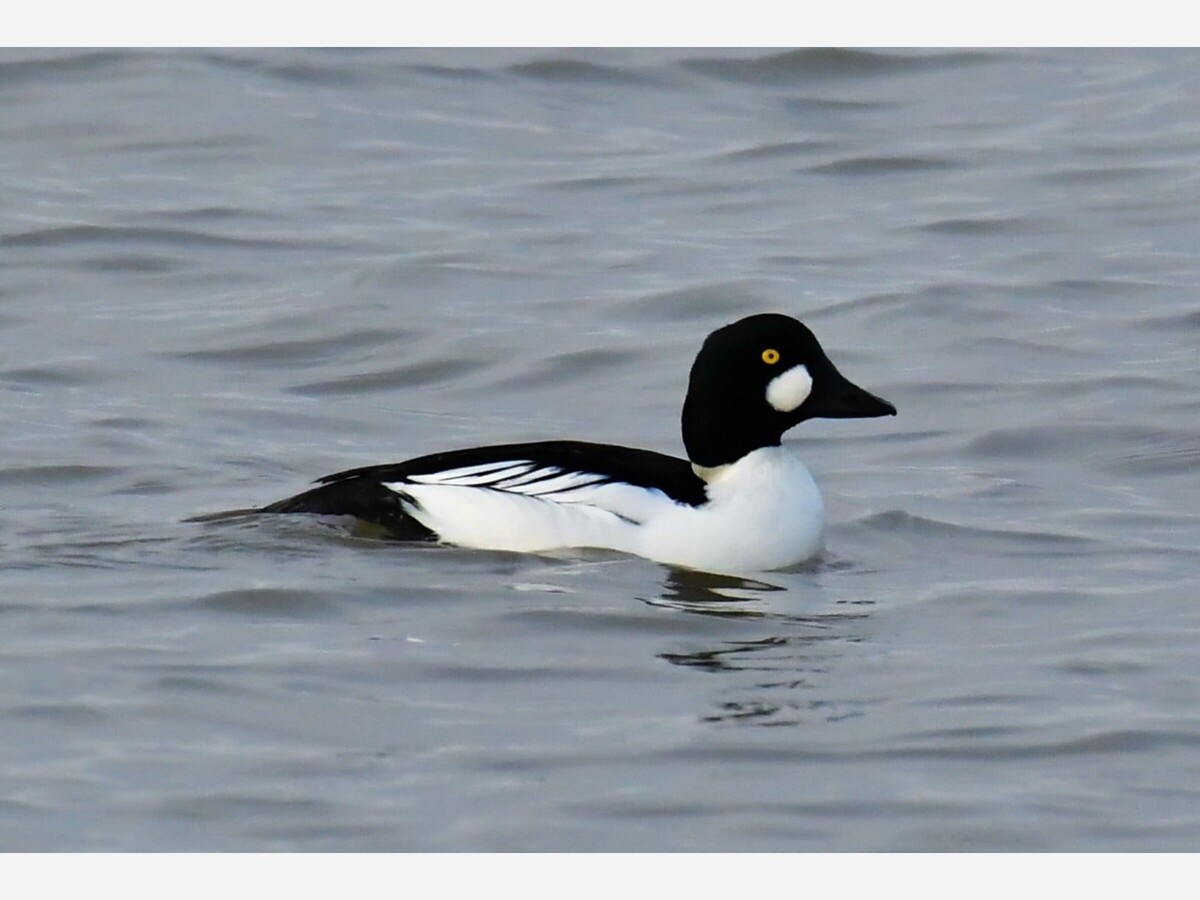
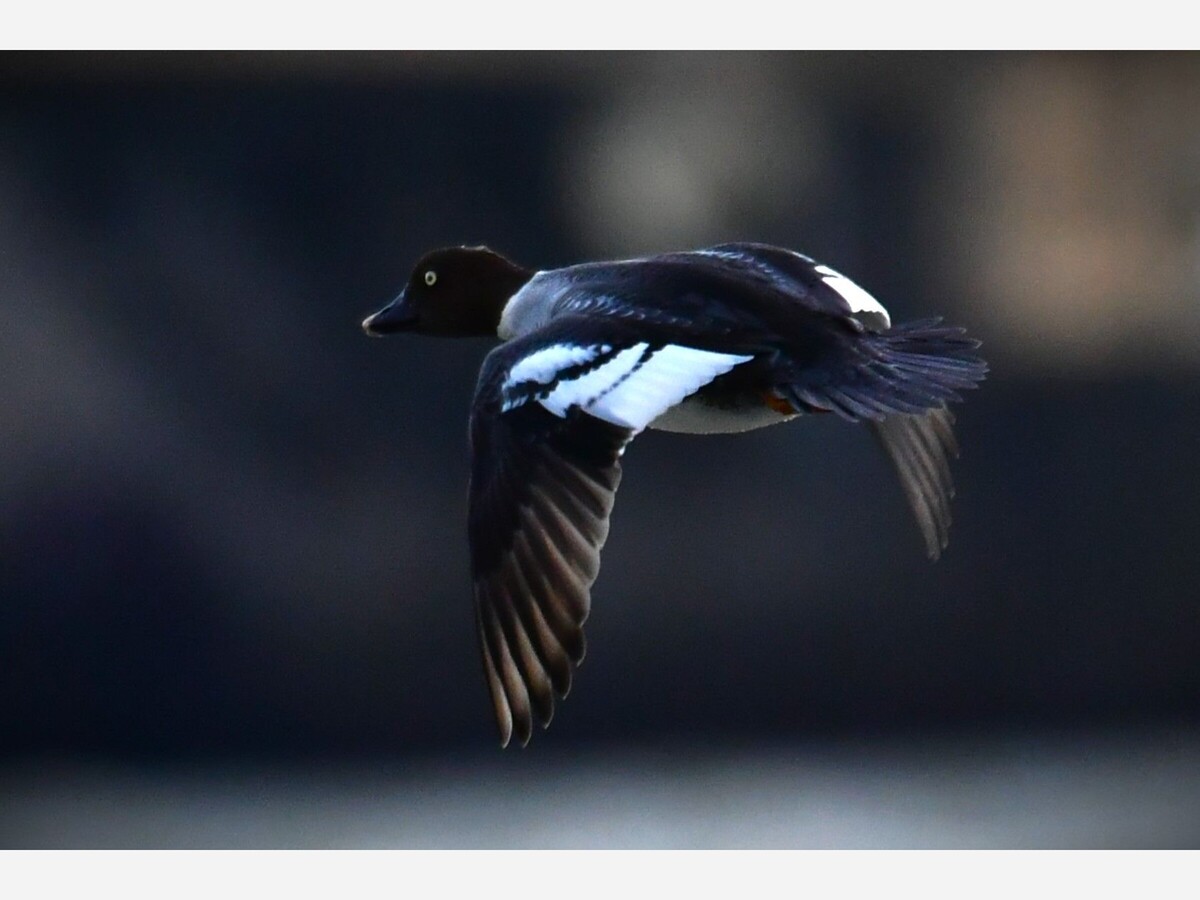
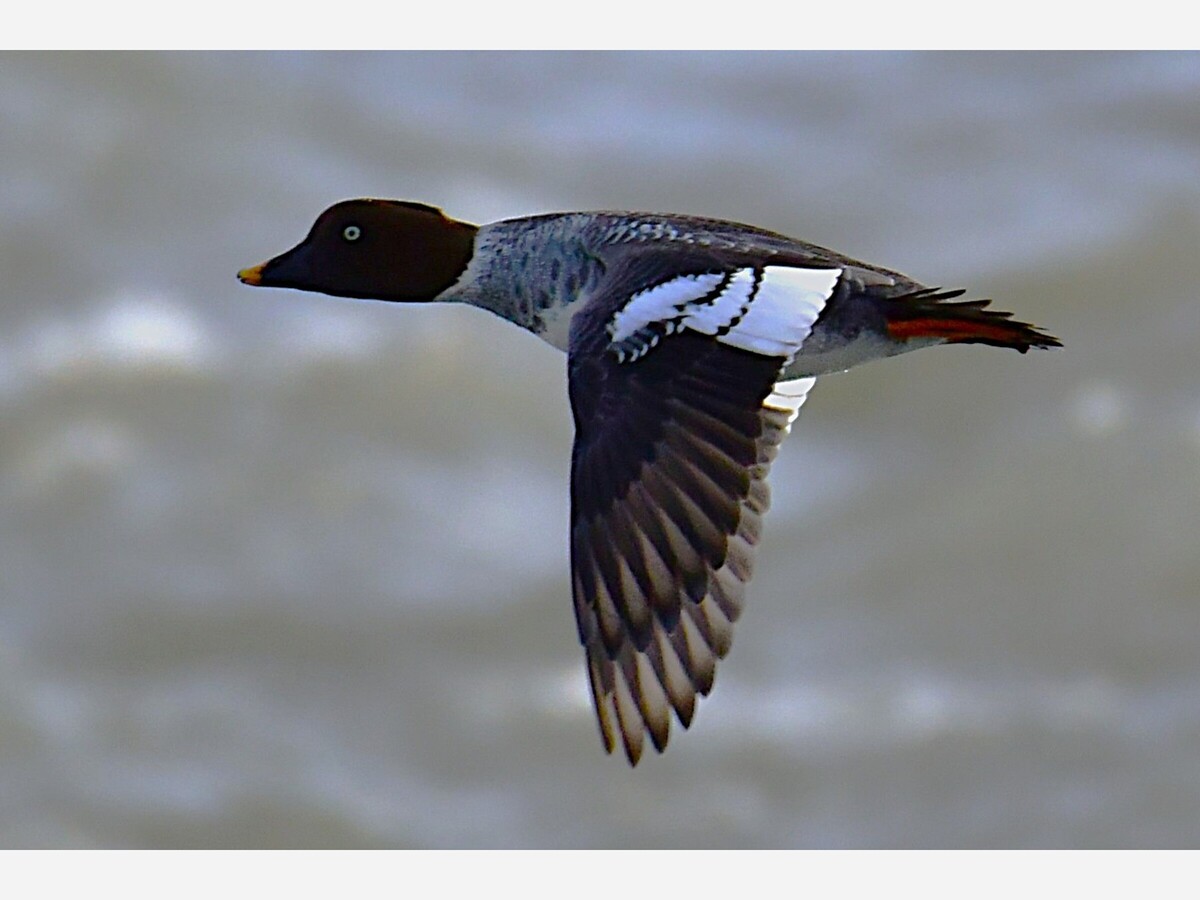
The goldeneye duck is the kind of species that can strengthen Niagara’s off-season identity. It is generally here from November through April. The goldeneye represents a different kind of wonder; not one iconic viewpoint, but a distributed living object of interest along the river corridor that invites movement. They attract birders and photographers. These are visitors who travel in the off-season, stay longer, spend deliberately, and build a place’s reputation through authentic storytelling. A goldeneye is not just a bird; it’s a golden opportunity.
Festivals turn nature into a calendar. An annual Goldeneye Festival can be designed as a city-wide circuit: river overlooks, trails, and parks connected to local cafés, restaurants, galleries, and small venues hosting talks, exhibits, and meetups. It can be gamified with photography contests at multiple levels: restaurants hosting different categories, storefronts displaying finalists, community voting, youth divisions, and a grand exhibition. Participants and businesses share photos across social media, generating free marketing that is more persuasive than any brochure.
Festivals build local capacity and give residents things to do too. Local youth can learn bird identification, guiding skills, photography, and storytelling. Over time, they become guides who help visitors maximize their time and experience. Jobs only locals can do.
Niagara Falls should be known globally not only as a natural wonder, but as a serious ecotourism destination. We do not need massive capital improvements to begin. The raw asset is already here. The missing ingredients are strategy, story, and distribution.
The goldeneye ducks are already here in the off-season. They tell a compelling story but they can’t tell it alone, we must see it, know it and retell it. They are part of our identity, they are waiting for us to notice them and celebrate them. We should understand them as another clutch of golden eggs.


Sunny, with a high of 63 and low of 44 degrees. Sunny during the morning, clear in the afternoon and evening,