66° and Patchy rain nearby



Image
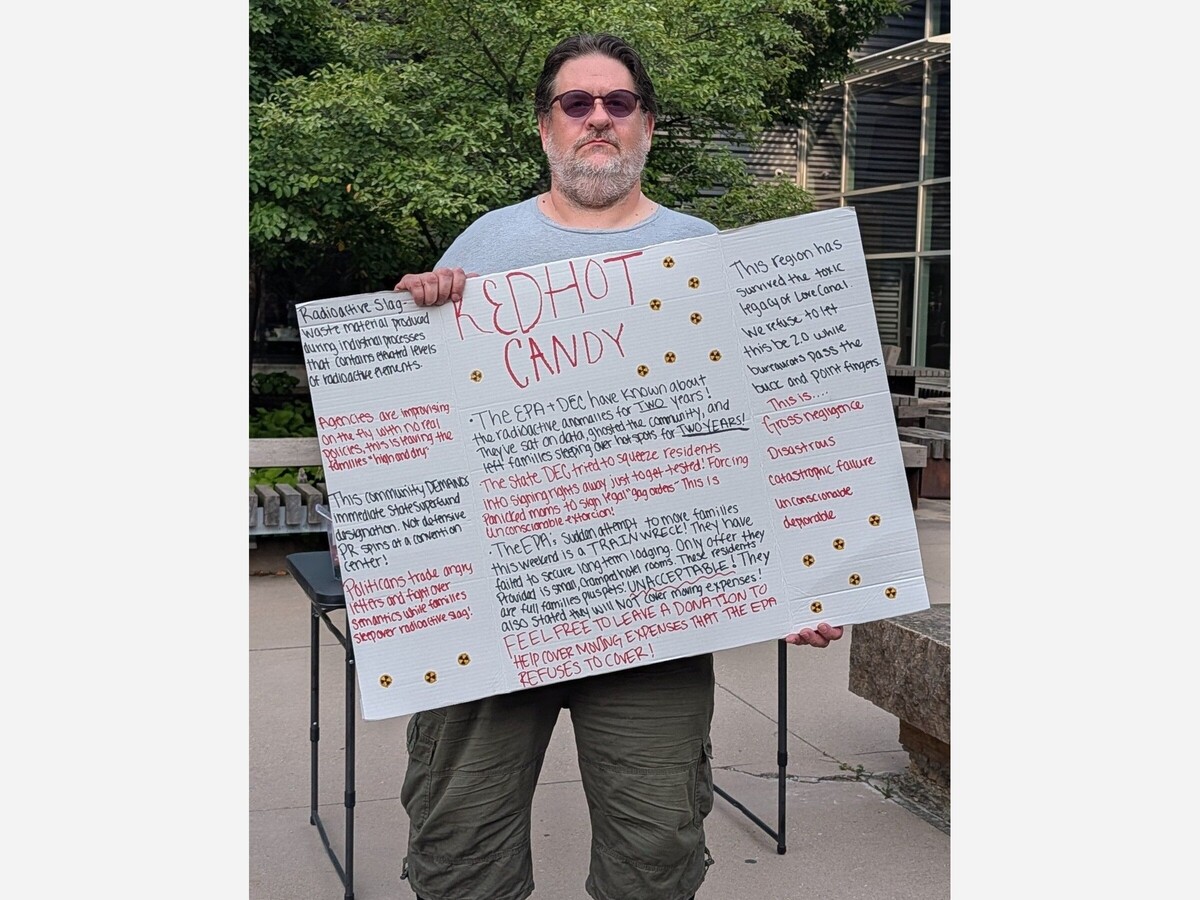
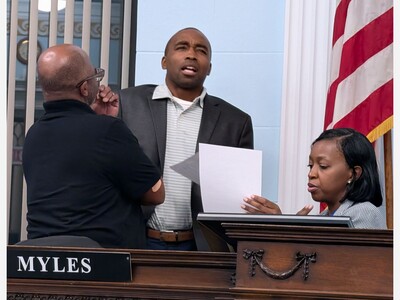
It was a meeting off the rails from the start at the on Monday.
Angry residents of the Town of Niagara faced off against state and federal bureaucrats in an emotional gathering at the Niagara Falls Convention Center. The government employees intended a sober presentation of facts and figures and processes but never got the chance.
The residents of the Town of Niagara, beset by the traumatic impact of the realization that many of their homes, in a sublime, mostly Republican bastion of suburbia, were indeed built on radioactive slag sold as cheap fill following the Manhattan project in the last century.
The raw emotion boiled over in the emotional plea of Trevor Bradley, who with Lexi is in the process of being temporarily relocated with their 3-year-old daughter whom they used to think safely played in the backyard only to discover it wasn’t so.
“How am I supposed to protect my daughter from something I can’t see, taste, smell or feel?” he asked loudly from the gallery as the meeting flew off the rails. Several residents dramatically walked out.
The State Department of Health (DOH), the Department of Environmental Conservation (DEC), and the Federal Environmental Protection Agency were all represented, and commissioners from DOH and DEC. Gov. Kathy Hochul was not present but she sent leaders from the departments that will most likely have the most impact on the outcome of the crisis.
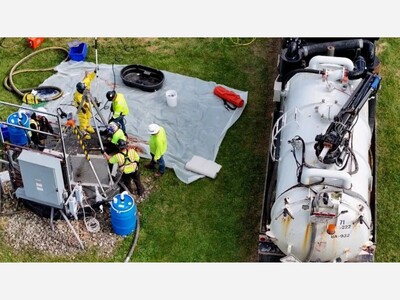
Officials outlined a three-phase approach to address the radiological "areas of interest" identified through aerial and ground surveys.
A primary point of friction was the "voluntary temporary relocation" process. Residents expressed outrage over the inadequacy of current offers.

Patchy rain nearby, with a high of 75 and low of 64 degrees. Patchy rain nearby for the morning, clear for the afternoon and evening, patchy rain nearby overnight.