56° and Partly Cloudy
Image
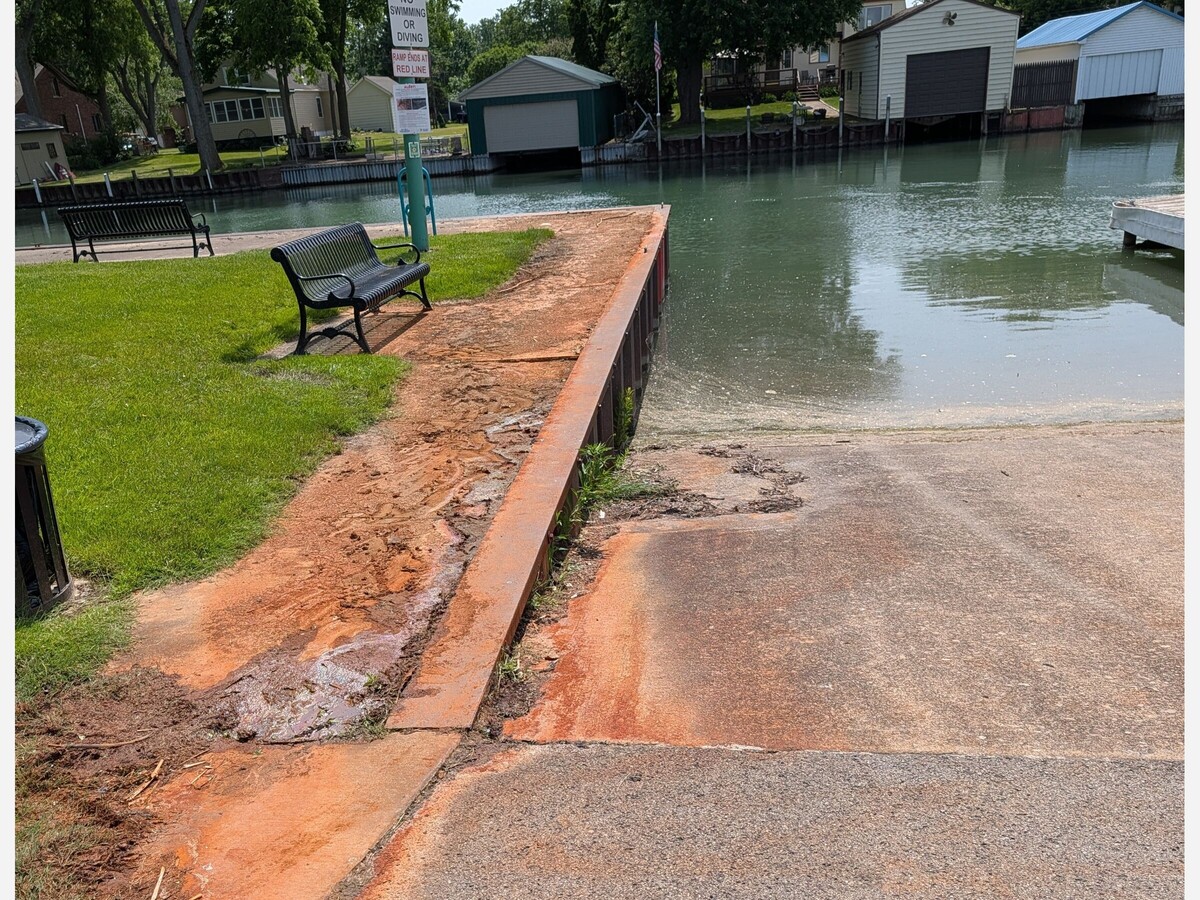
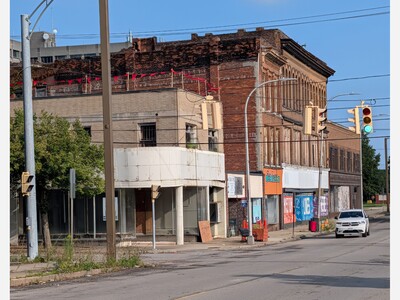
Honestly, its just naturally occurring oxidation from rust. It has nothing to do with Love Canal or the waste dumped to expand Cayuga Island.



An artist and philosopher Natalia Neuhaus put together this Website showing how refining uranium from the Manhattan Project left behind a toxic legacy across Niagara County.
It has been in the news of late because of revelations in the Town of Niagara but to be sure, it is only the tip of an unexposed iceberg.
Artists like Neuhaus, with projects like this, enlighten us on a technical basis.
The emotional comes from things like the aggrieved residents of the Town of Niagara worried about our state government being coy not only about the findings in their backyard but what aerial surveys of our region revealed a couple years ago. Those results are still unreleased, supposedly incomplete but more likely undergoing political scrutiny because Albany and Washington would rather minimize than help.
Meanwhile, at the Lewiston Public Library, multiple binders host collected obituaries of Lewiston-Porter school employees gone too soon. I wouldn’t speculate about what likely is flowing from the Lake Ontario Ordinance Works to the Niagara River, but you can.
Natalie wrote this:
"For the past four years, I’ve been documenting the radioactive legacy of the Manhattan Project in Niagara Falls through my long-term project, Greetings from Niagara.
"This week, The Buffalo News published an important investigation into radioactive contamination found beneath homes and neighborhoods in Niagara Falls.
"Many people are asking: How did this happen?
"It began more than 80 years ago.
"To learn more, please visit: https://natalianeuhaus.com/niagarafalls/
"During World War II and the Cold War, Niagara Falls became a major center for processing uranium and manufacturing materials for the U.S. nuclear weapons program. These industries generated radioactive waste that was stored, buried, transported, and sometimes reused as slag—a gravel-like material that ended up beneath roads, driveways, parking lots, industrial sites, and homes.
"Government agencies have known about this contamination for decades.
"What made me understand its scale was not one isolated site, but a pattern found across thousands of pages of government records, Brownfield reports, environmental assessments, and radiological surveys.
"Whenever an old factory was redeveloped or infrastructure was excavated, radiation testing appeared again. Each survey revealed another fragment of the same history.
"That is when I realized this was not simply a story about a few contaminated homes. It was about an entire industrial landscape shaped by the Manhattan Project and the Cold War, whose radioactive legacy continues today.
"Radiation exposure is cumulative. A tourist spending a weekend in Niagara Falls is not exposed in the same way as someone who has lived there for decades. Documented hotspots have existed near homes, schools, factories, parks, and roads used by generations of residents. This is why continued monitoring, scientific research, and transparency are essential.
"I have tried for years to bring this history to a national audience, pitching it to The New York Times, CNN, Mother Jones, The Atlantic, Time, The New Yorker, ProPublica, and others. Some editors believed in the story and championed it internally. They invested time, asked thoughtful questions, and fought to move it forward, but those efforts did not result in publication. I want to acknowledge them. Thank you. I know who you are, and I know how hard you fought.
"My goal has never been to own this story, but to contribute to it, make the research accessible, and support those working to uncover this history.
"As this story continues to unfold, I’d also like to thank The Buffalo News. Their reporting reminds us why local journalism remains indispensable. They recognized that this is not simply a story about a handful of homes, but about the legacy of the Manhattan Project, decades of environmental contamination, generations of government records, and communities living with the potential health consequences of that history."


Sunny, with a high of 62 and low of 45 degrees. Sunny in the morning, clear during the afternoon and evening,