

Image

By Jeffery Flach
Special to the Express
At Gorge View, I hear the same story over and over.
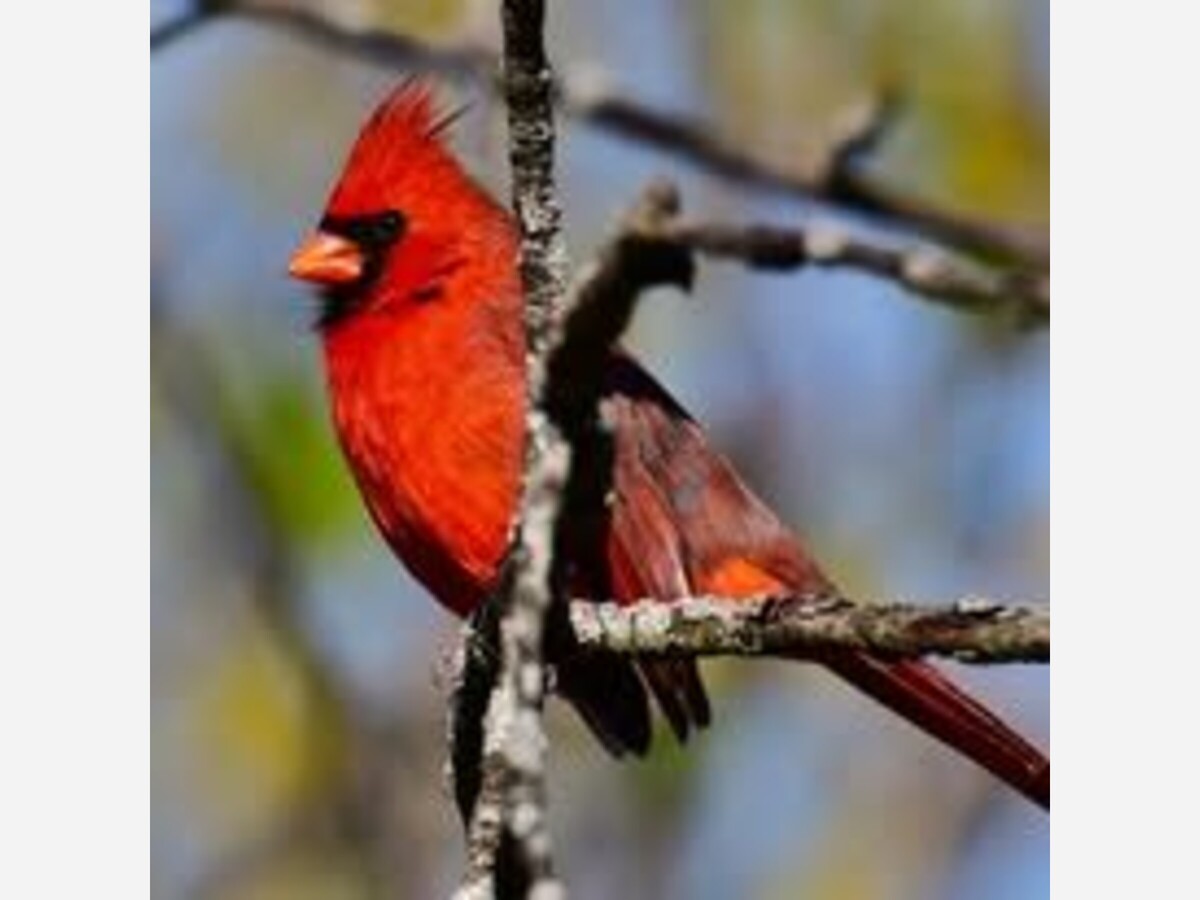
A guest comes back from a walk—Hyde Park, a neighborhood street, the rim trails, anywhere with a hedgerow and a little quiet—and starts describing a bird with a kind of childlike joy that transcends age. Gen Z to Boomers, it doesn’t matter. Their eyes glow. Their voice lifts. They try to put words to the moment:
“A bright red bird.”
“A crest.”
“It stayed long enough to watch.”
“It felt… unreal.”
Most of the time, they don’t know the name yet. But they know what they felt. Wonder. A small discovery that becomes personal.
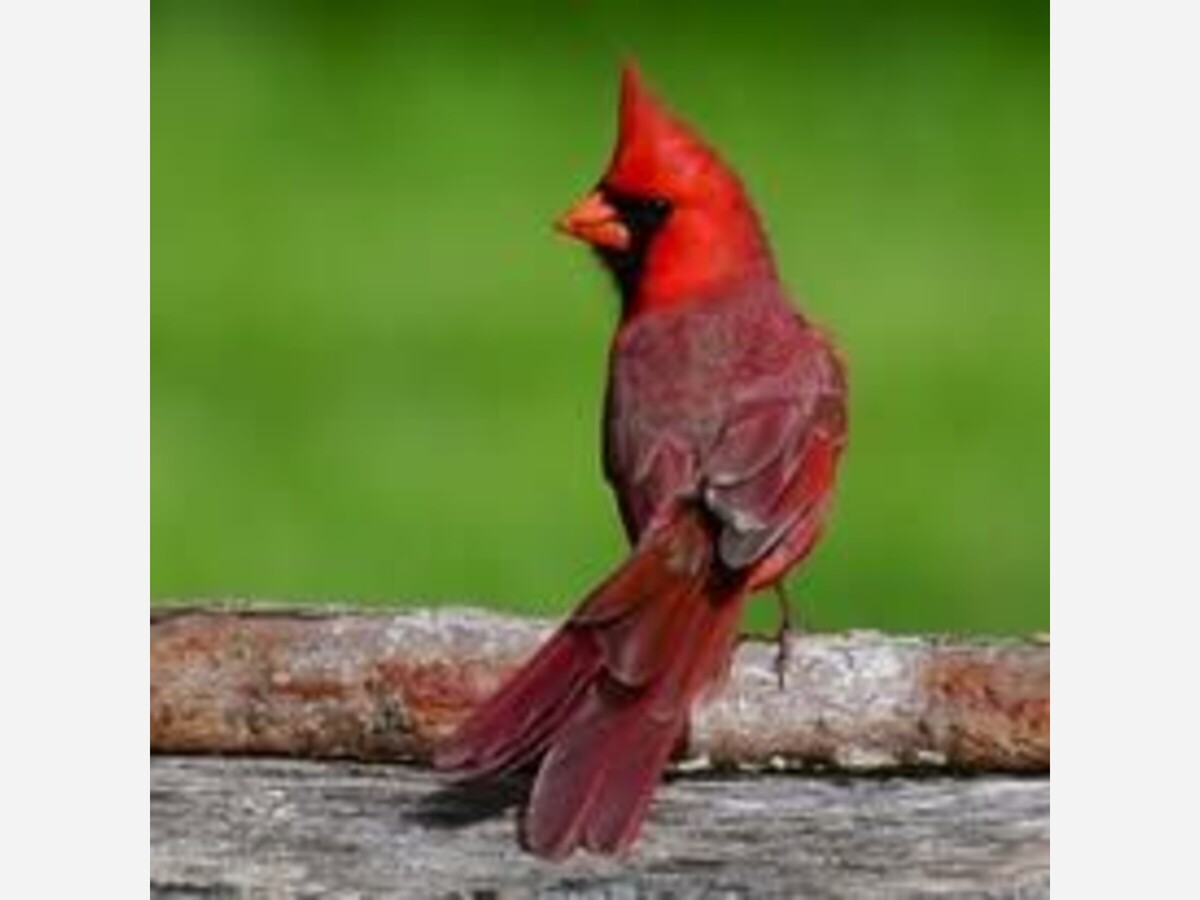
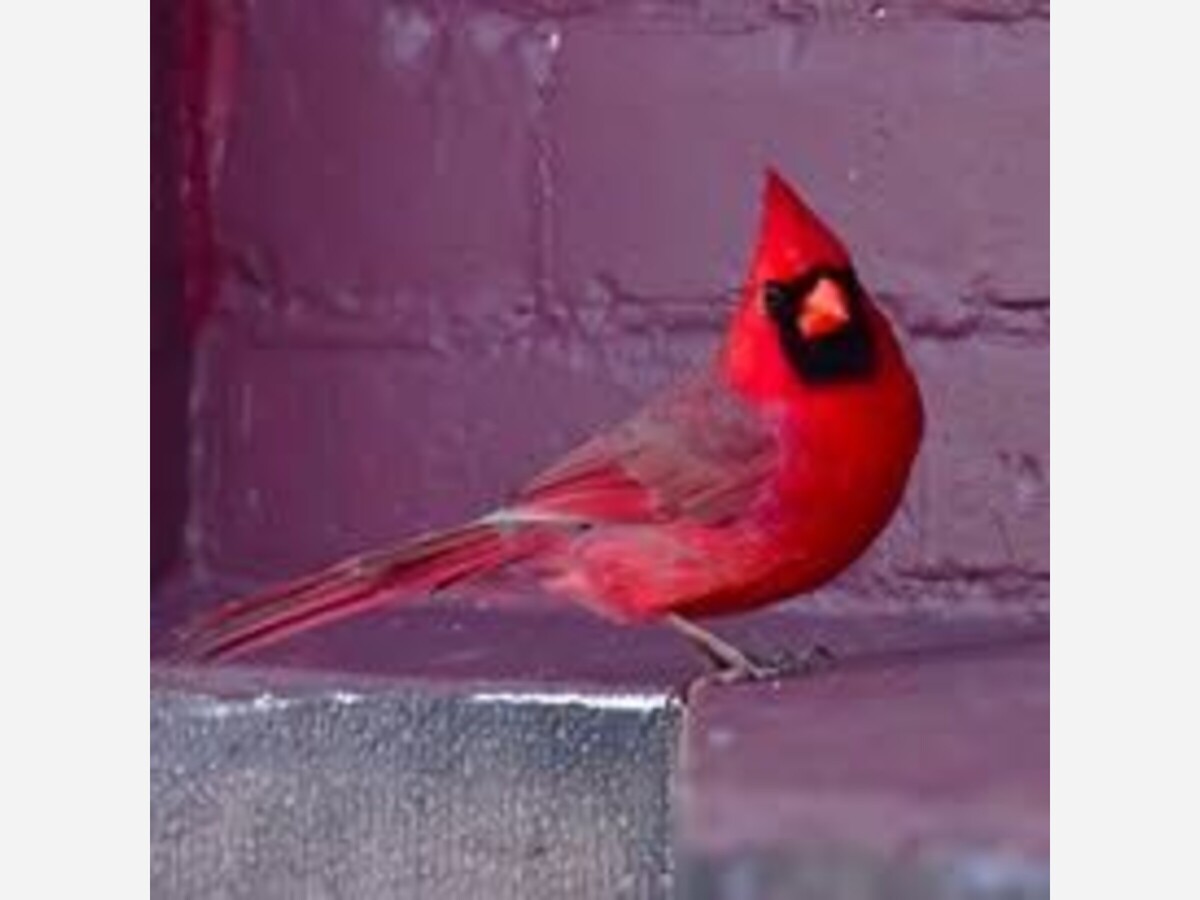
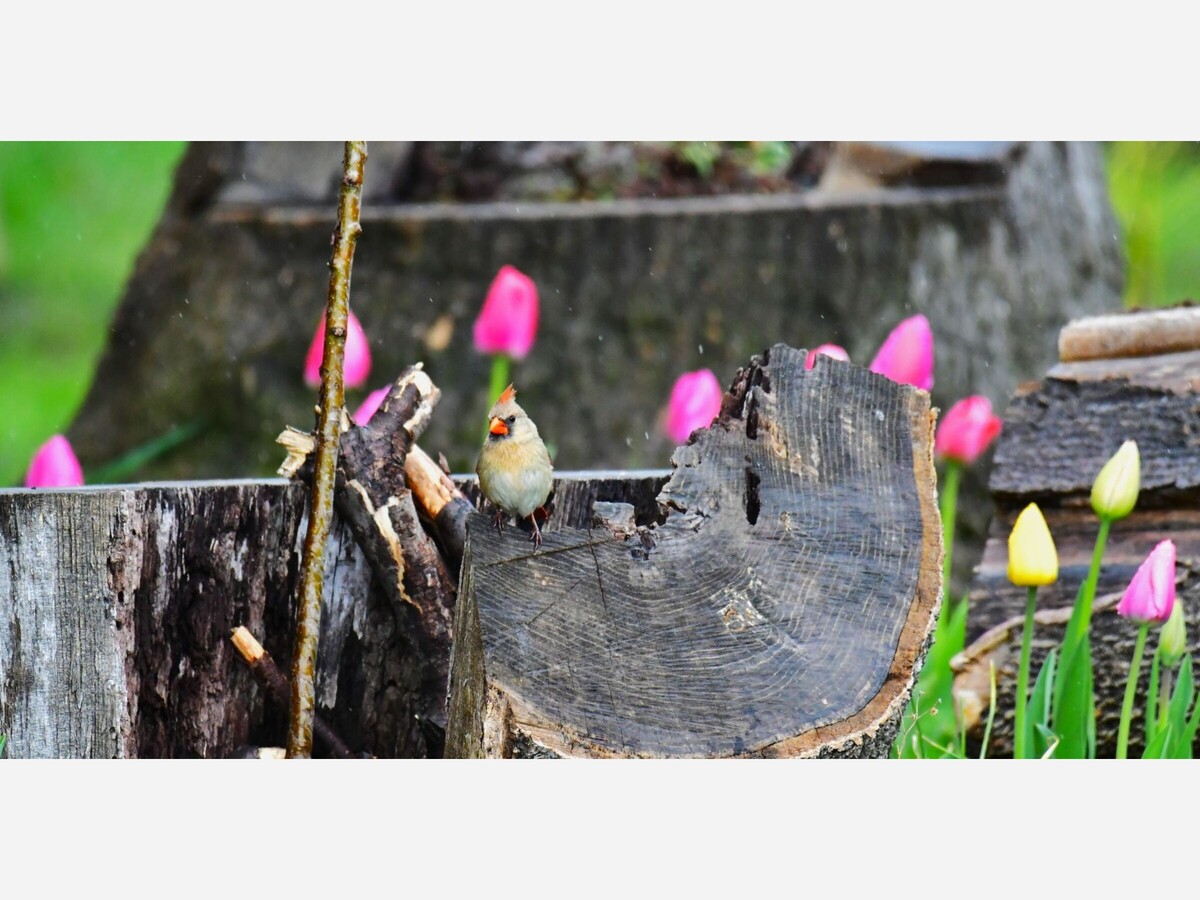
And then I tell them: that’s a Northern Cardinal.
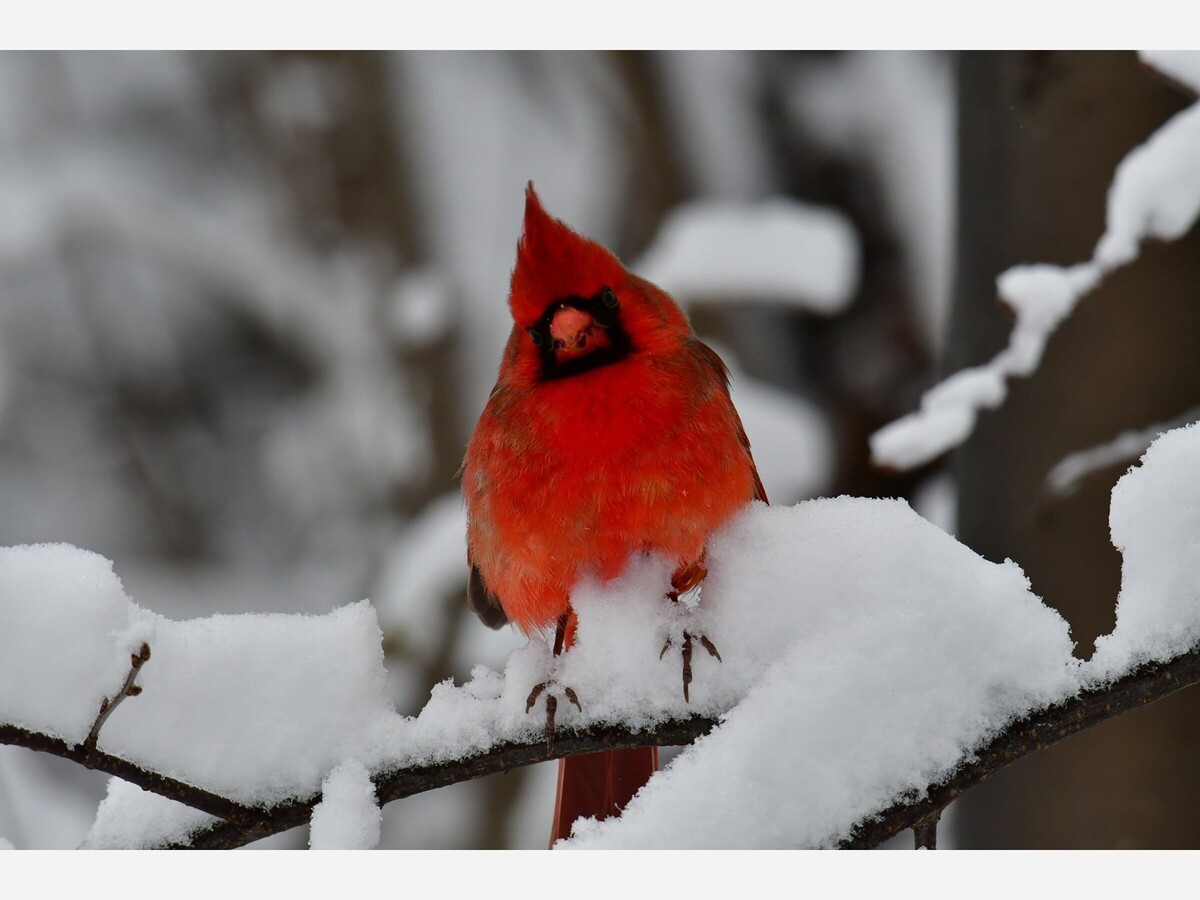
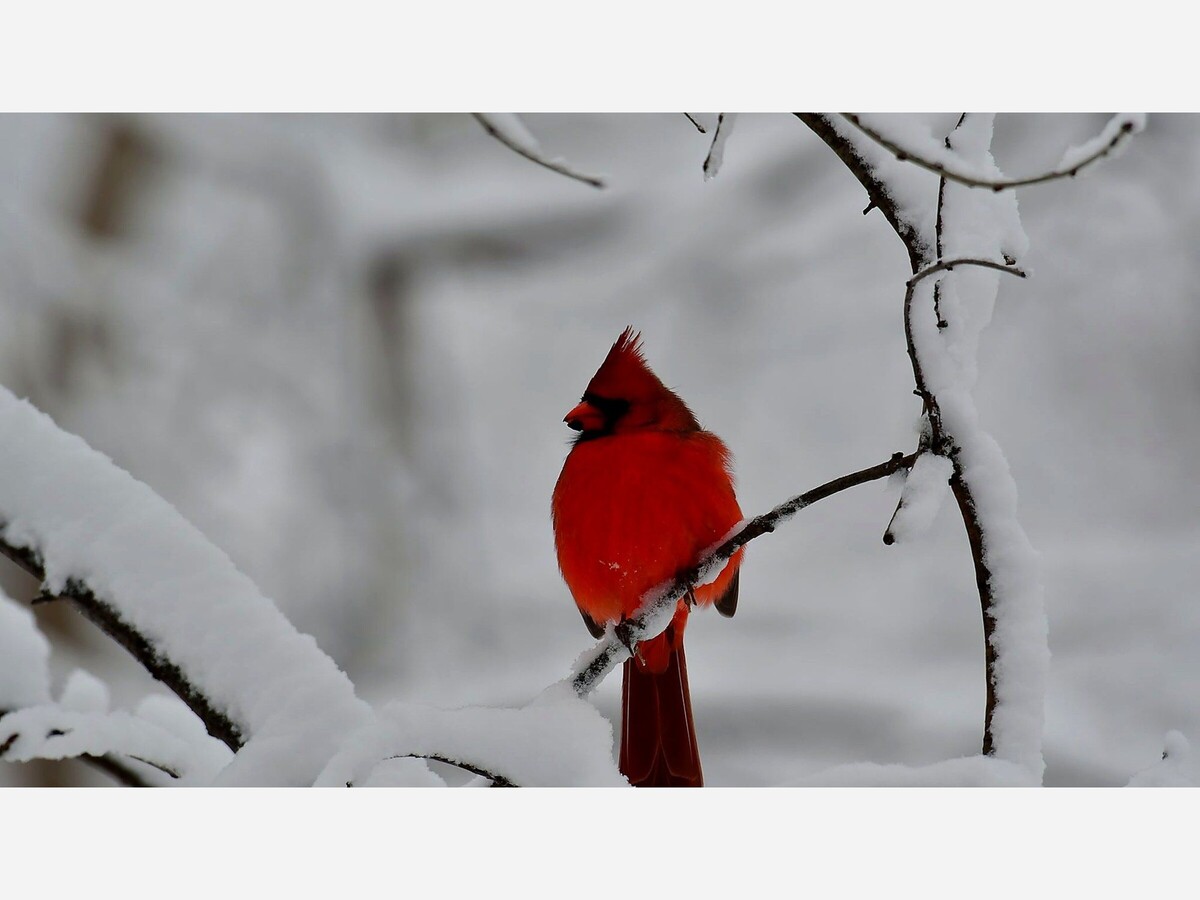
The funny thing is that for us in Niagara Falls, the cardinal can feel almost ordinary. It’s a North American bird. It’s common here. It’s with us in all seasons. It doesn’t need migration to make it miraculous. It’s a year-round presence—winter through summer—quietly insisting that beauty can be right beside us without being “tourist-facing.”
For visitors, it’s different. For many, the cardinal is exotic. Not because it’s rare in the world, but because it’s rare to them. And that’s the point: Niagara Falls gives people the world-famous spectacle at the rim, but it also gives them something more intimate—a living city where nature still threads itself through streets, yards, parks, and overlooked corners.
Those cardinal stories are not the kind of memory travelers forget.
And that brings me to a different kind of memory we must never forget, either.
Love Canal.
Niagara Falls carries two truths at once. One is wonder. The other is warning. We are famous for water, mist, and geologic power. People cross oceans to stand where the river breaks.
But we also carry a lesson that belongs to the globe: when society treats land as disposable, consequences don’t stay buried. They surface. They spread. They harm people. They stain trust for generations.
Here is the danger with time: even the most important civic lessons can fade into abstraction. Not because people don’t care, but because life moves forward and memory thins. A headline becomes a paragraph. A paragraph becomes a footnote. And eventually the next generation learns the story as “something that happened,” not as a warning that still matters.
That is how history repeats itself—not always through malice, but through forgetting.
Love Canal should not be forgotten.
But remembering doesn’t have to mean living in shame. And it doesn’t have to mean fencing off the past and never looking at it directly. We can memorialize in a way that teaches. We can tell the truth without turning away from the future. We can pass the lesson forward—to our children, to visiting students, to other communities—and do it with enough integrity that Niagara Falls becomes respected not only for its natural wonder, but for its moral clarity.
That is why Niagara Falls should pursue a Love Canal Research and Memorial Center.
Not as a gimmick. Not as a “dark tourism” attraction. Not as a rebranding exercise.
As a civic institution.
A center that does four things clearly and permanently:
First: it preserves the truth.
What happened, how it happened, who was affected, and why it can never be minimized into a vague cautionary tale. The story must be told plainly and accurately—because clarity is how communities protect themselves.
Second: it teaches the modern lesson.
Love Canal is not only history. It is a case study in what happens when short-term decision-making outruns ethics and science. A center should translate that into practical public literacy: risk, accountability, monitoring, policy safeguards, and the real meaning of environmental stewardship.
Third: it supports ongoing research and restorative learning.
Niagara Falls can be a place where the world studies how damaged land is monitored, stabilized, and restored over time. Not with empty optimism, but with disciplined practice. We can contribute to a global body of knowledge—because the forces that produced Love Canal were not uniquely Niagara. They are modern forces.
Fourth: it becomes a landscape of responsibility.
A memorial does not have to be sterile. Some of the most powerful memorials on earth are landscapes—places where design and nature hold memory without erasing the truth. We can create a site that invites reflection and learning while also demonstrating what it means to care for land again.
That last point matters, because Niagara Falls is not only a place of caution. It is also a place where nature responds when we respond.
The cardinal is a year-round witness to that reality. When habitats are supported, life returns. When land is treated as a system—soil, water, trees, birds, people—beauty is not just decoration. It is evidence of health.
We should want Love Canal to remain a visible lesson, but we should also want the surrounding story to be one of responsibility and repair. A city that remembers Love Canal responsibly is a city that refuses denial. A city that restores responsibly is a city that refuses despair.
And there is another reason to do this, one that is practical and immediate.
Niagara Falls has long struggled with a “thin visit.” Many visitors experience the Falls in a narrow loop—hotel, viewpoint, attraction, departure. They leave with photos, but not with a deeper relationship to the city itself.
A Love Canal Research and Memorial Center—done with integrity—would create a different kind of visit. It would draw students, researchers, educators, and travelers who value meaning and learning. It would invite visitors inward, beyond the rim, into Niagara Falls as a real place with a hard-earned lesson and the courage to teach it.
That is not just good ethics. It is good strategy.
More importantly, it is good citizenship.
So yes—love the cardinal.
Let people discover it. Let them feel that sudden joy of recognition. Let it become one of those small Niagara Falls memories that travelers carry home for the rest of their lives.
But remember the Canal.
Then do what wise communities do with the lessons that shaped them: build something permanent, honest, and useful. A place that memorializes without sensationalizing, teaches without preaching, and helps ensure the world does not repeat what Niagara Falls already paid to learn.
Niagara Falls can be famous for wonder.
It can also be respected for truth.
And it can be remembered—by residents and visitors alike—as a city that chose to turn its hardest lesson into its greatest gift.




Patchy rain nearby, with a high of 71 and low of 56 degrees. Patchy rain nearby in the morning, partly cloudy in the afternoon, overcast during the evening, clear overnight.
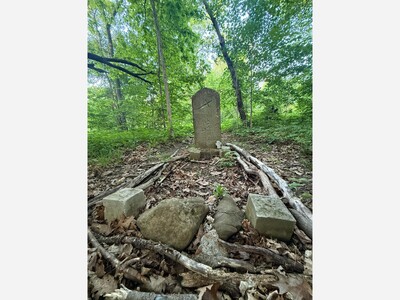

i wish you would print something about eliza. i tried to find out something about her, but couldn't. since i'm home bound, i can't go to the park. i did google her name & the only thing that came up is this article. i am intrigued!