

Image
Special to the Express
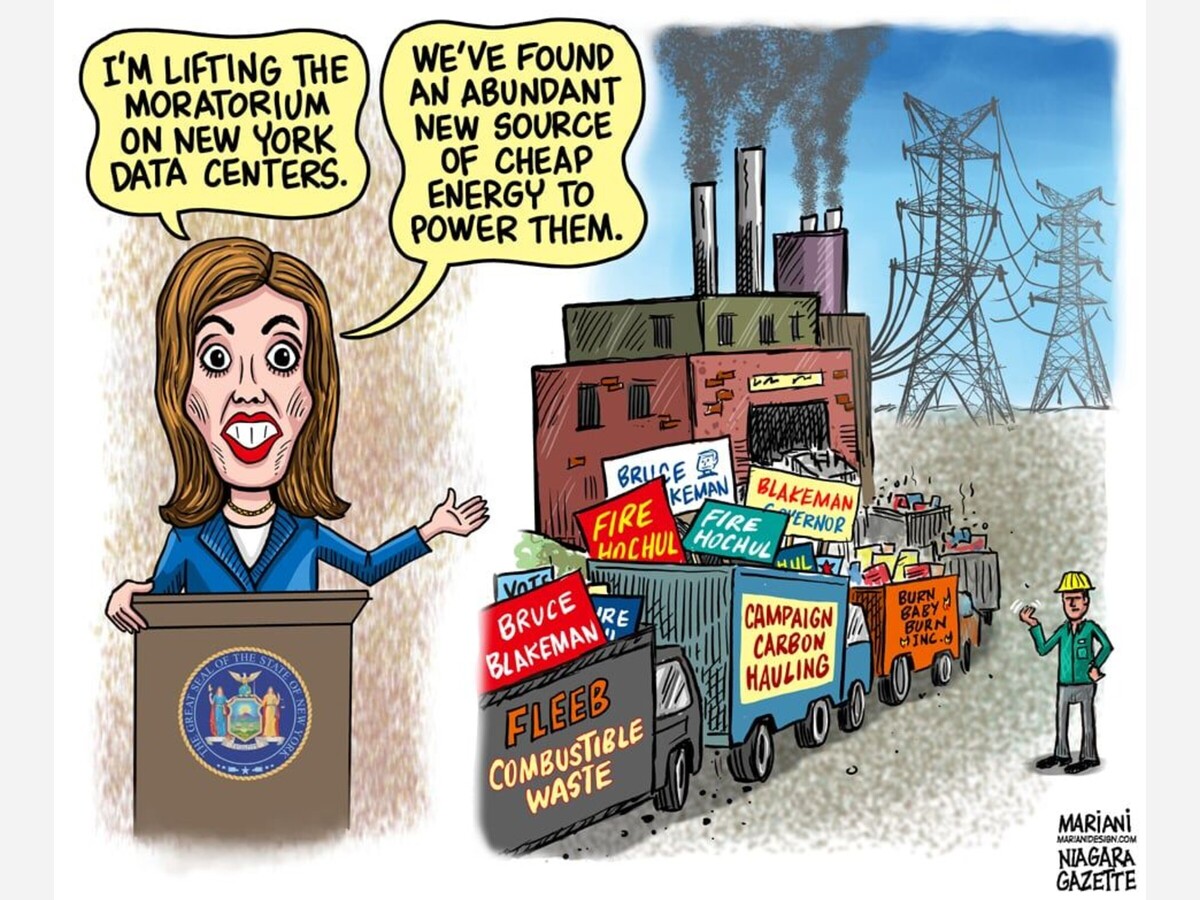
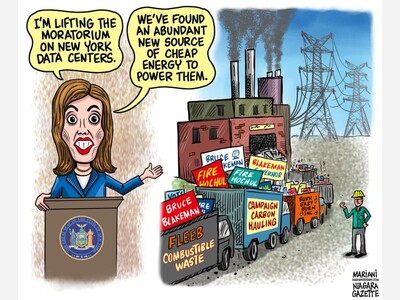
I spent many years in the outdoor sign business, where I worked with a variety of plastic substrates known by their commercial names: Plexiglass, Sintra, Lexan, and Coroplast, for example. This cartoon highlights the last material, Coroplast. I’ve heard it mispronounced as “chloroplast”, but that word means the green part of a plant cell that uses sunlight to make food through photosynthesis.
Every election season, millions of campaign signs sprout in lawns, along roadsides, and at busy intersections. Most are printed on Coroplast, the workhorse of the temporary sign industry.
Coroplast isn’t cardboard or solid plastic. It’s corrugated polypropylene: two smooth plastic surfaces connected by hollow channels called flutes. Think corrugated cardboard, except made of plastic and resistant to rain. The flutes provide strength while keeping the material lightweight. They’re also where the familiar wire H-stakes are inserted.
That simple construction makes it lightweight, surprisingly sturdy, inexpensive, and easy to print. It’s also easy to cut, transport, and store—just what political campaigns need when they want thousands of signs fast.
What happens to old plastic political signs? 95% of them end up in landfills. Major election cycles alone generate an estimated 10 million pounds of plastic signage across the U.S., according to industry estimates cited by The Comenian.
Can they be incinerated? In theory, yes, but only 63 active municipal solid waste-to-energy (WtE) facilities operate in the USA. Cartoonists, however, can burn whatever the heck they want without polluting the atmosphere.

Patchy rain nearby, with a high of 42 and low of 39 degrees. Patchy rain nearby in the morning, overcast in the afternoon and evening, patchy rain nearby overnight.