61° and Overcast



Image
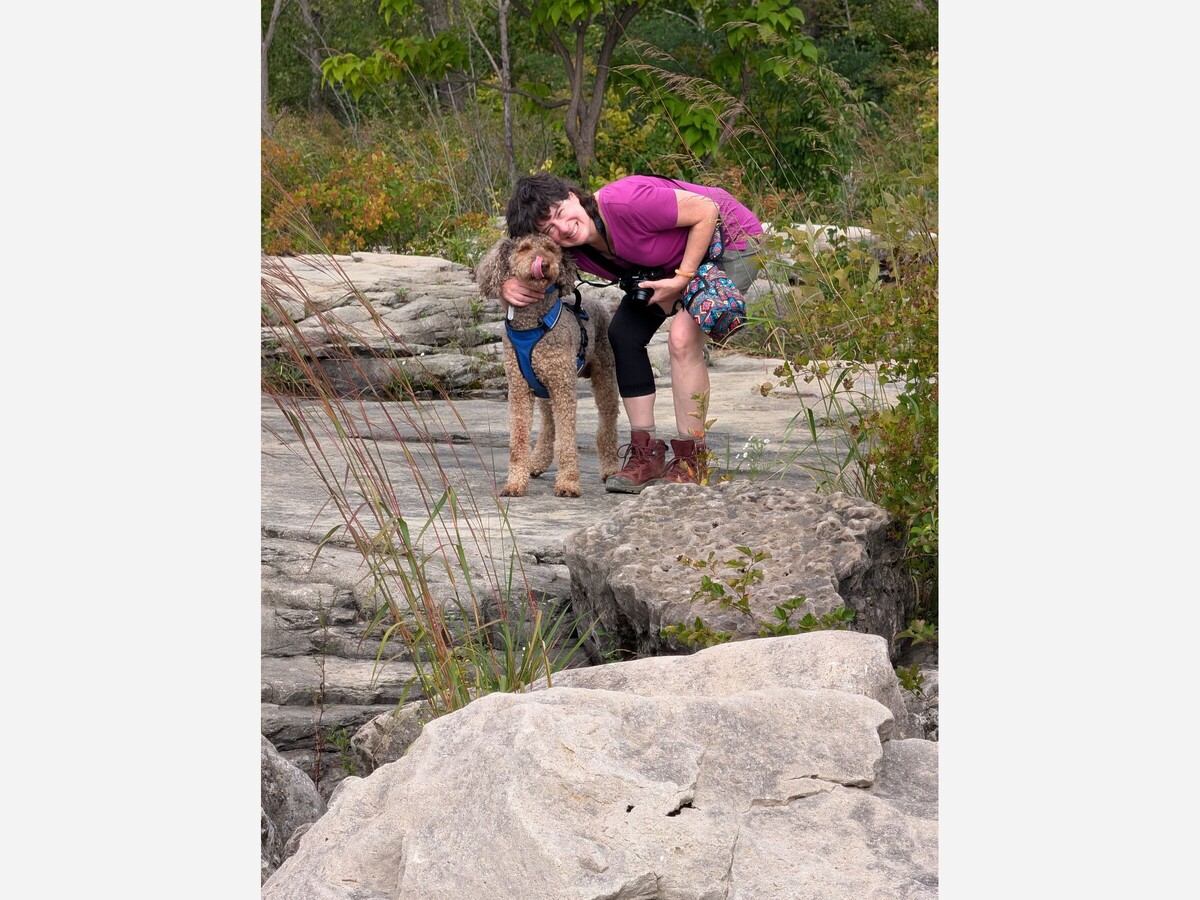
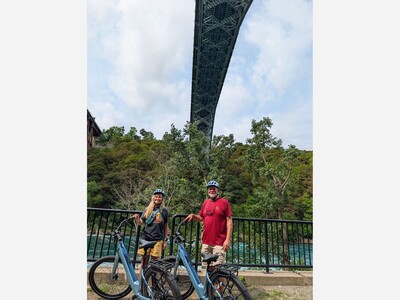
Beth and Gord at the flats.
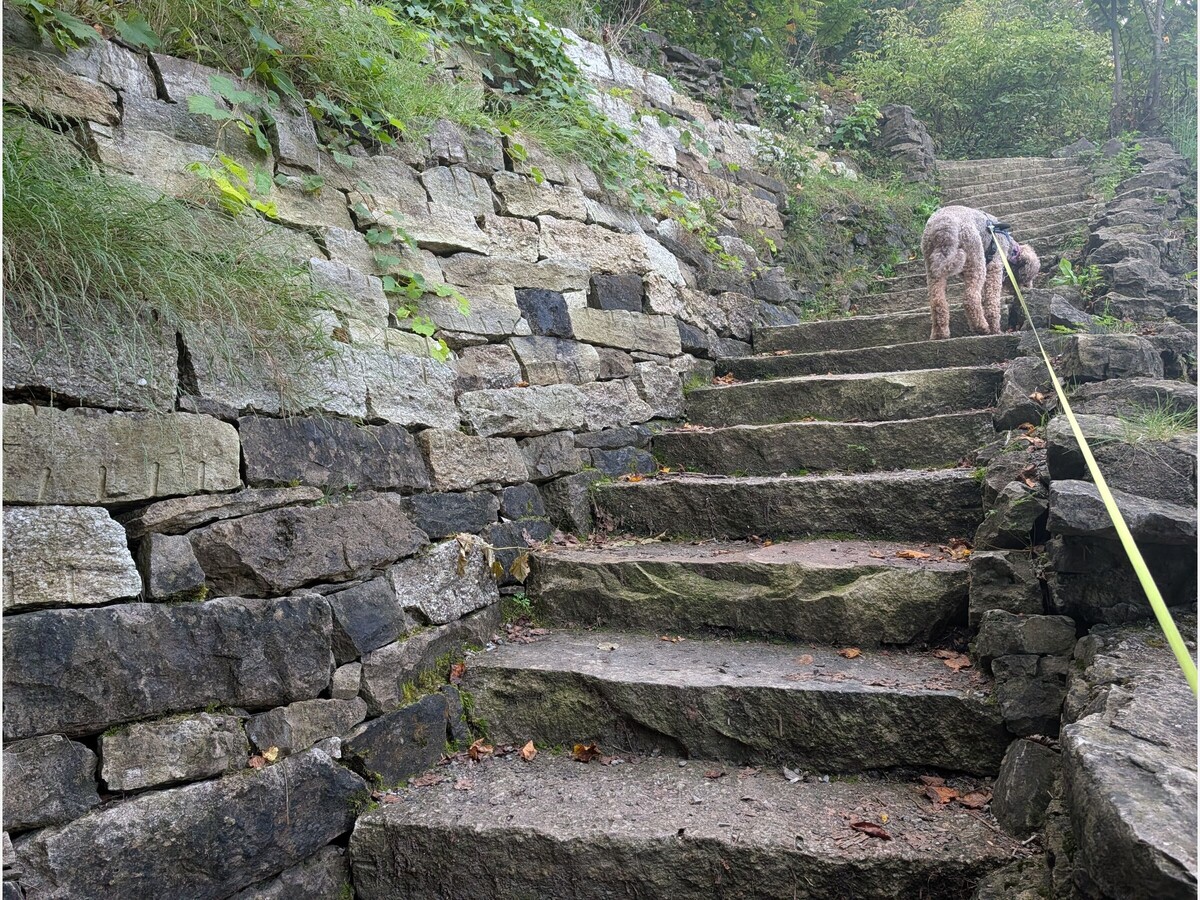
Gord and I hiked the Whirlpool stairs multiple times in January. Every time we did, the Bills won. Sunday, with the Bills facing a tough opponent, it was time to go again. This time Beth went with us.
The stairs, accessible just north of Whirlpool State Park, go 440 steps down where they meet with a trail that follows the former Great Gorge Railway railbed.
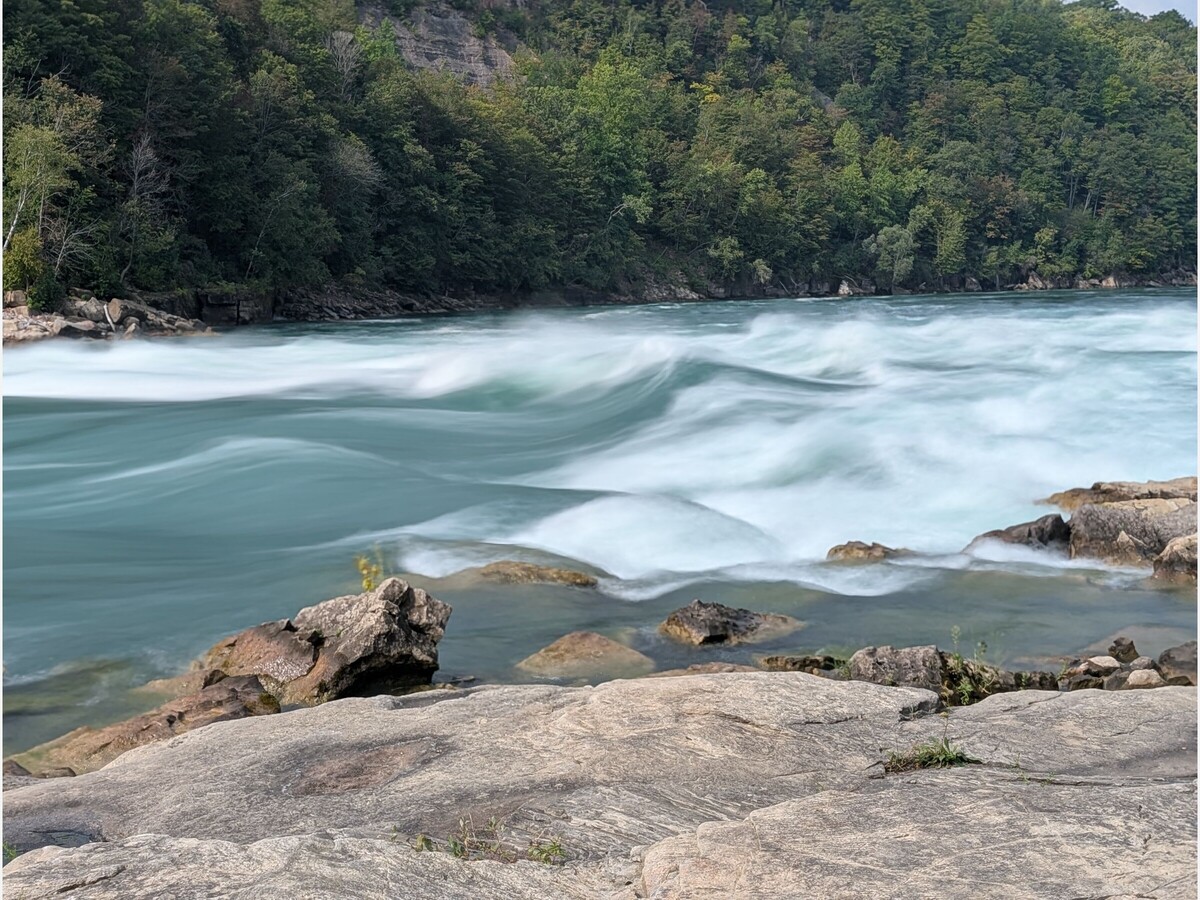
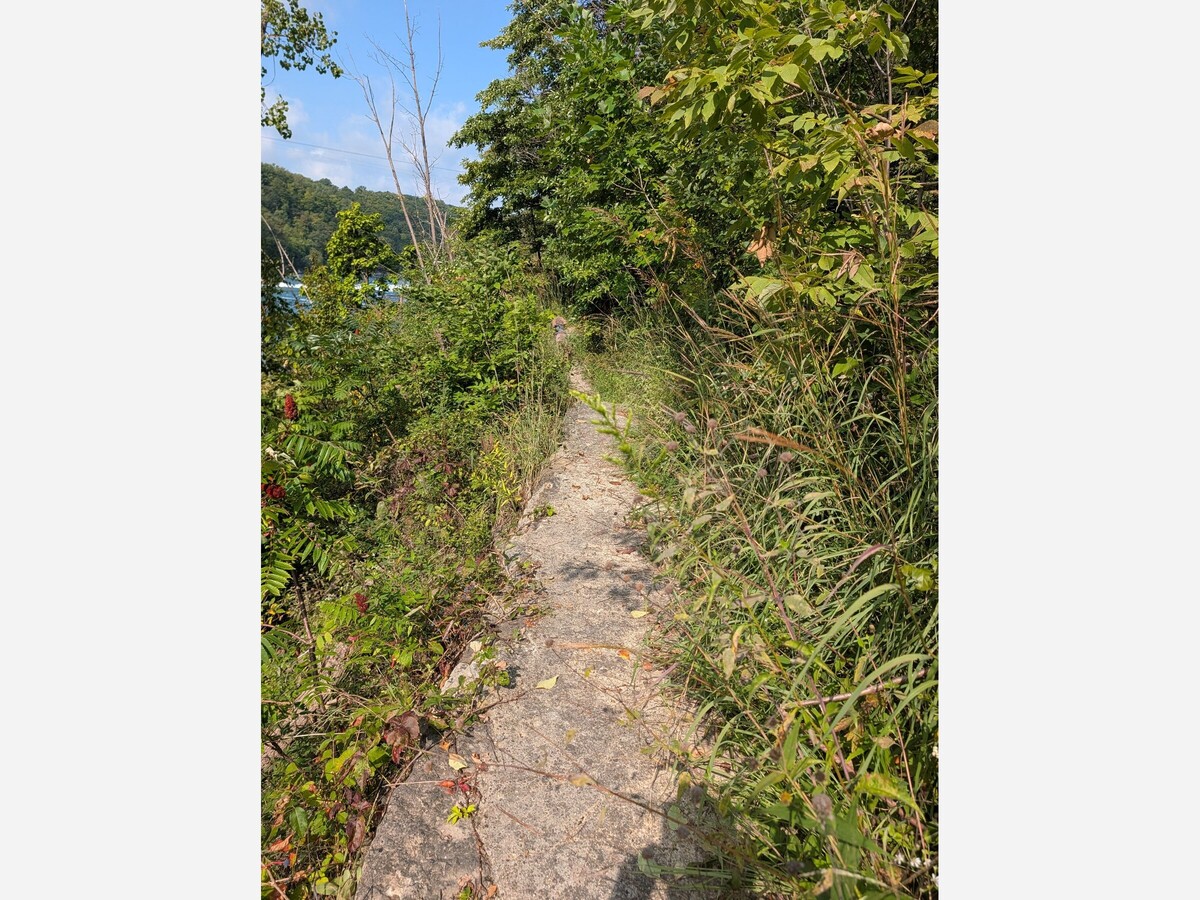
You can hike south to an area known as the flats or north to the Whirlpool Stairs.
On this day, there was a steady flow of people getting in a pre-Bills game walk.
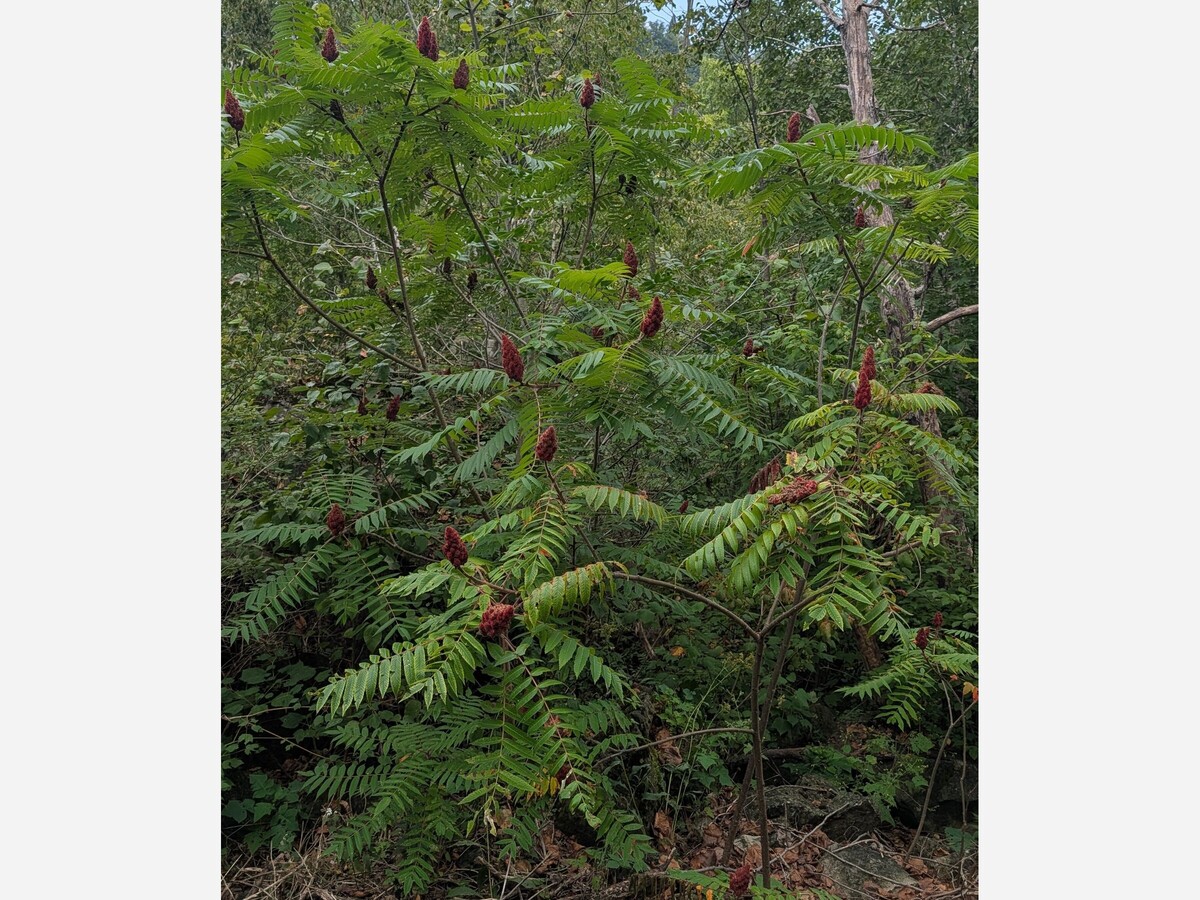
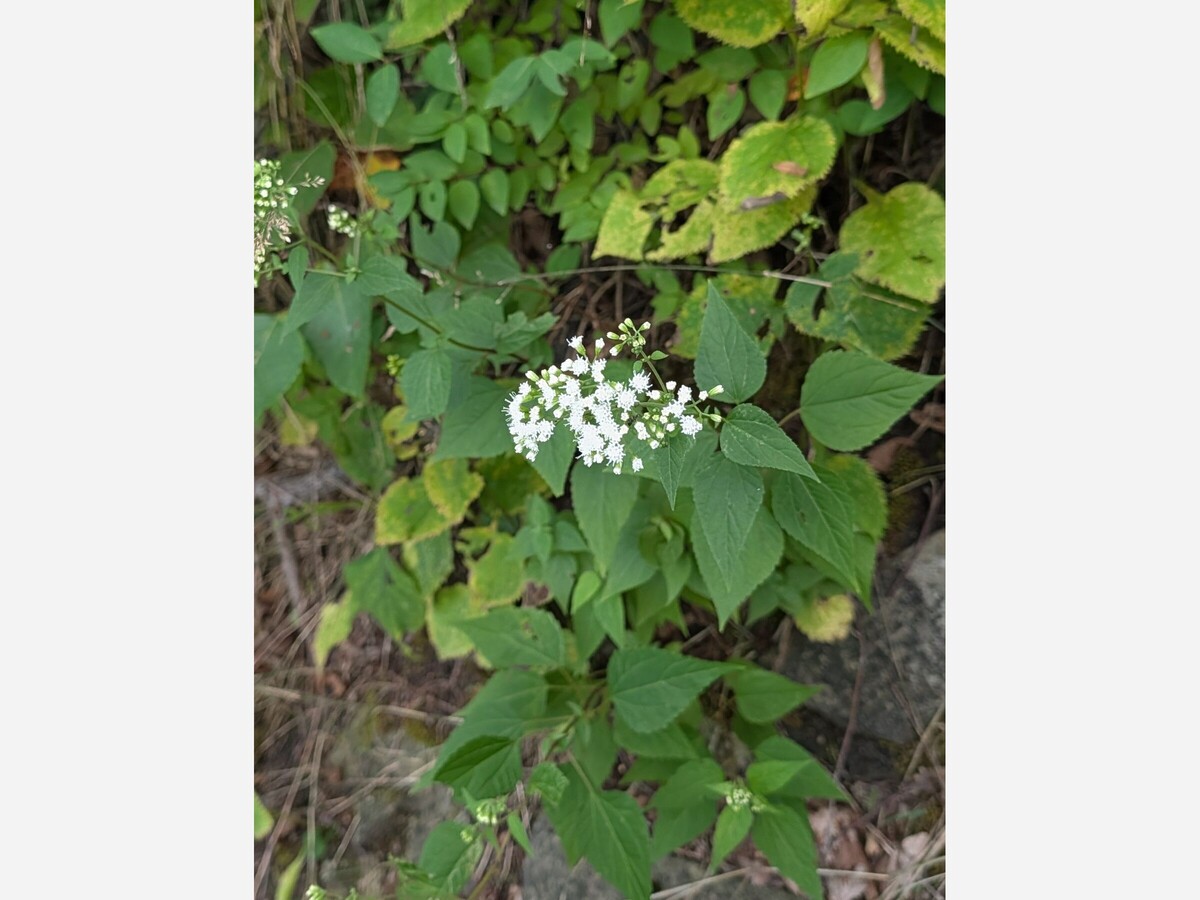
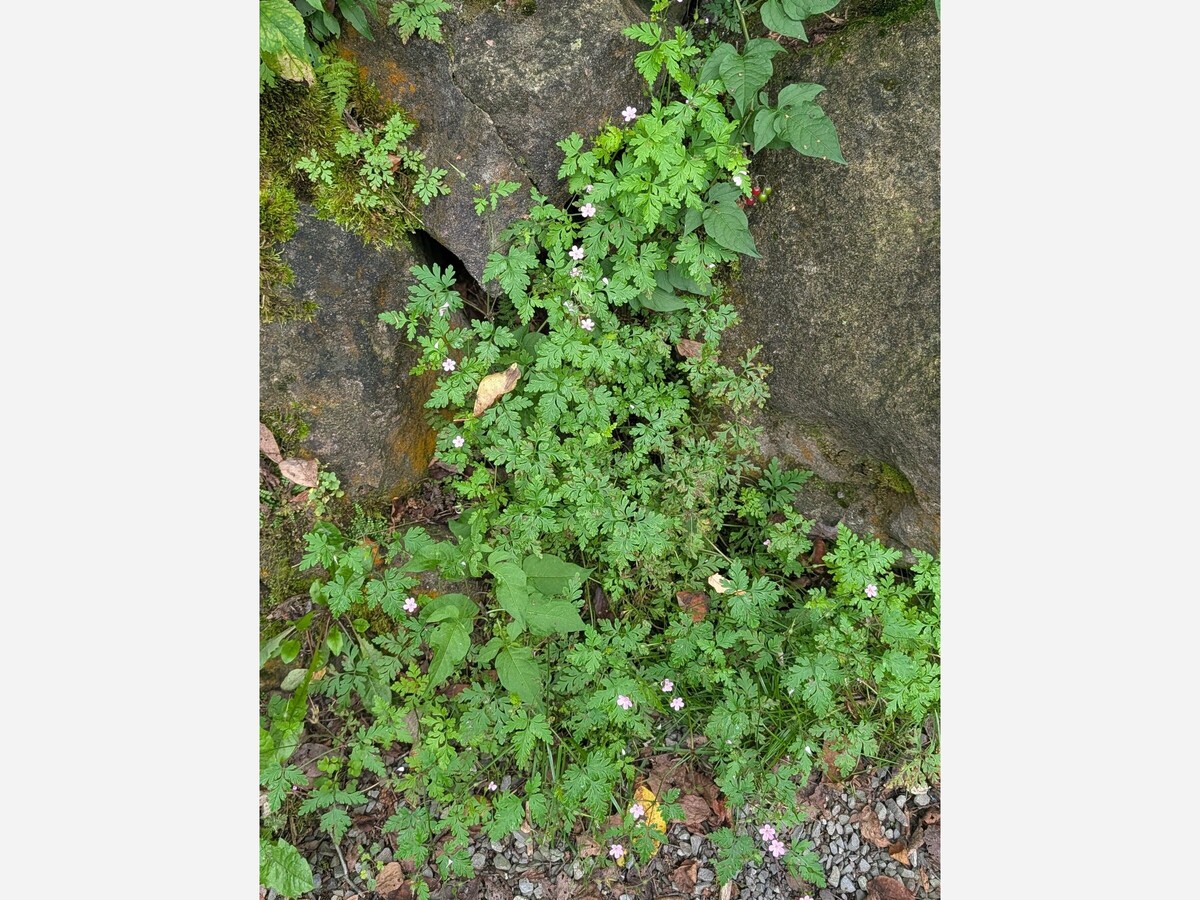
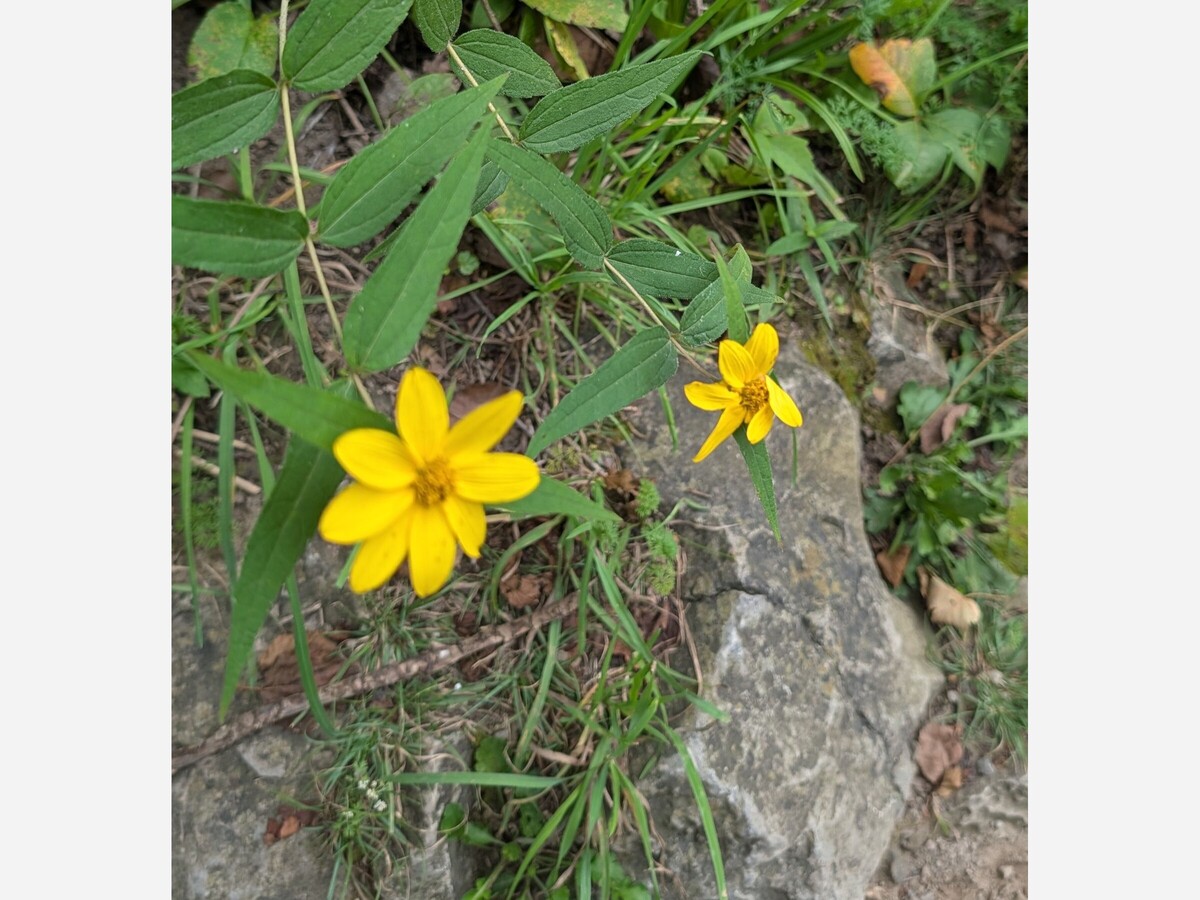
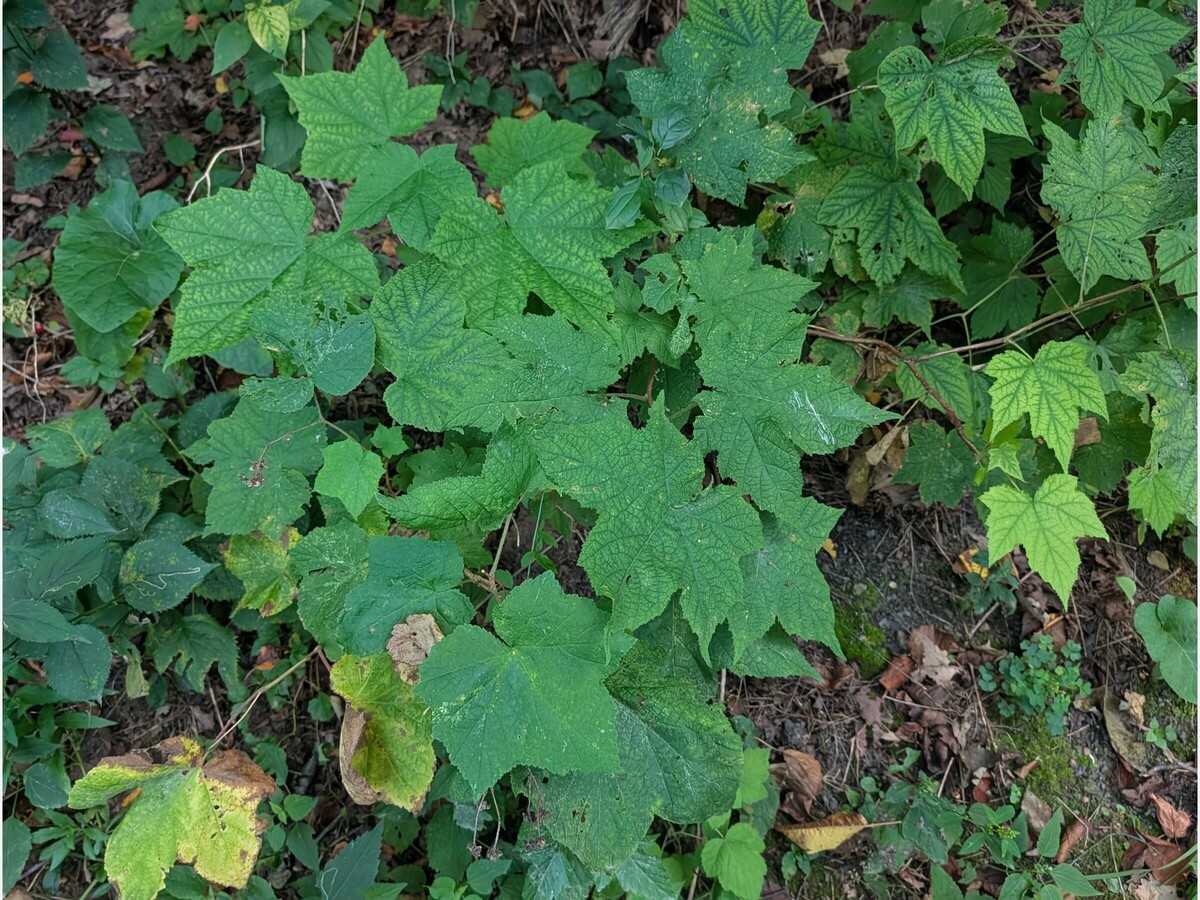
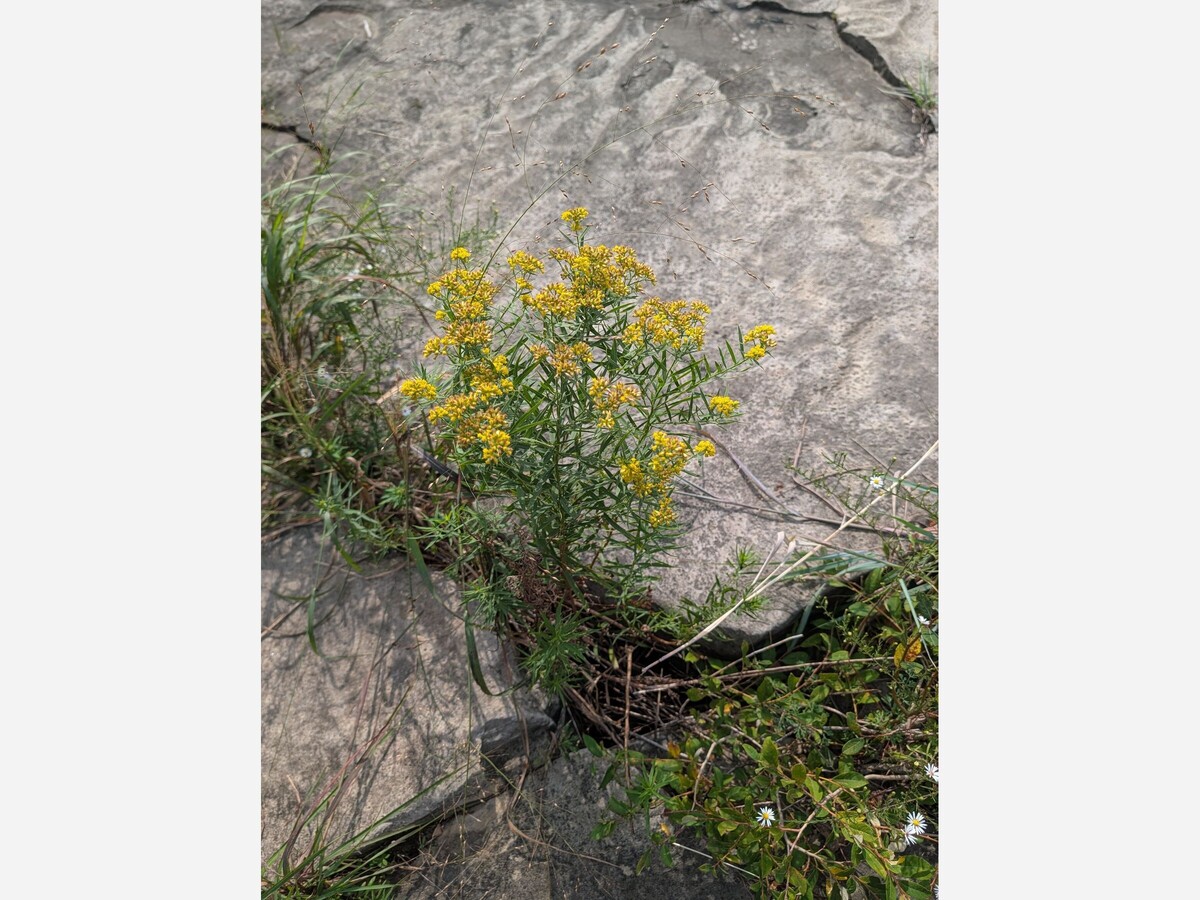
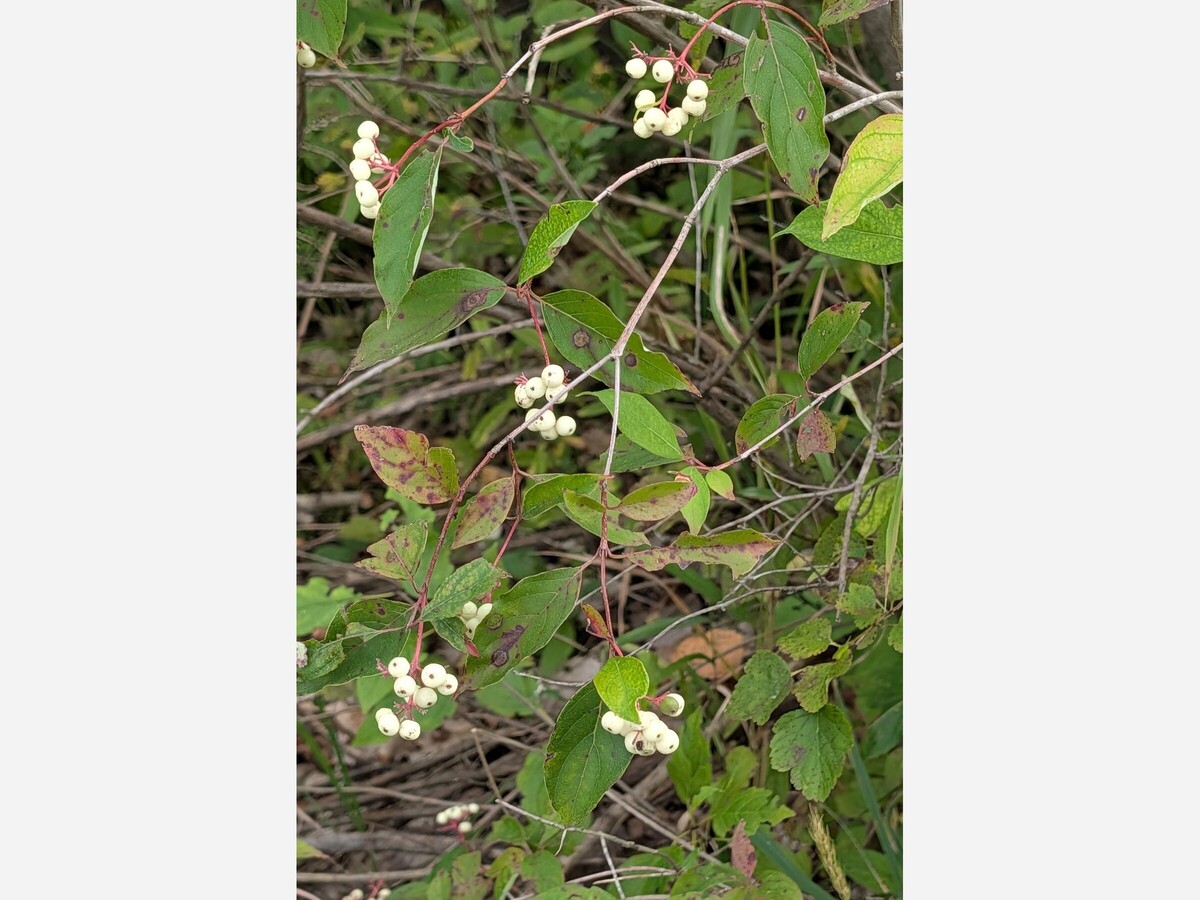
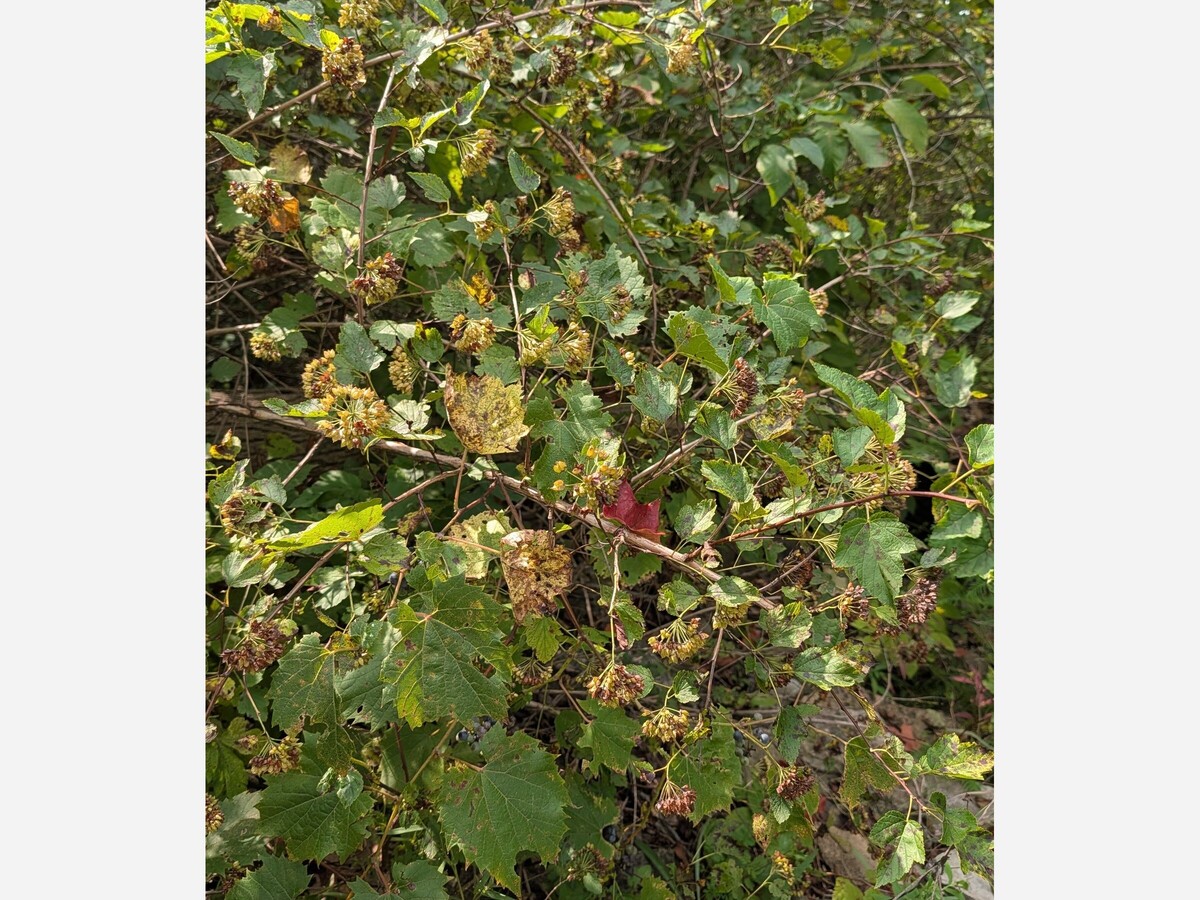
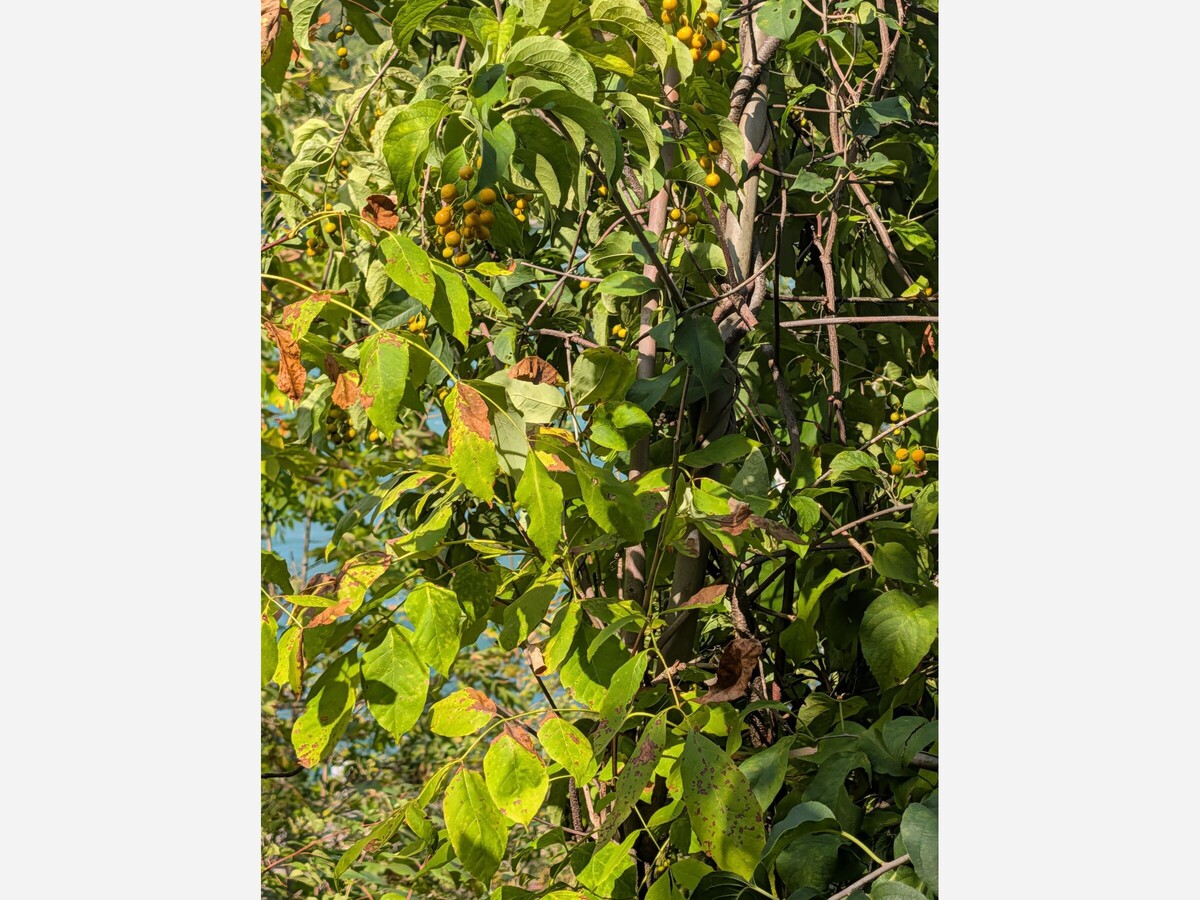
The late summer wildflowers were in full glory. Sumac is ready for lemonade. Rosehips are ready for tea.
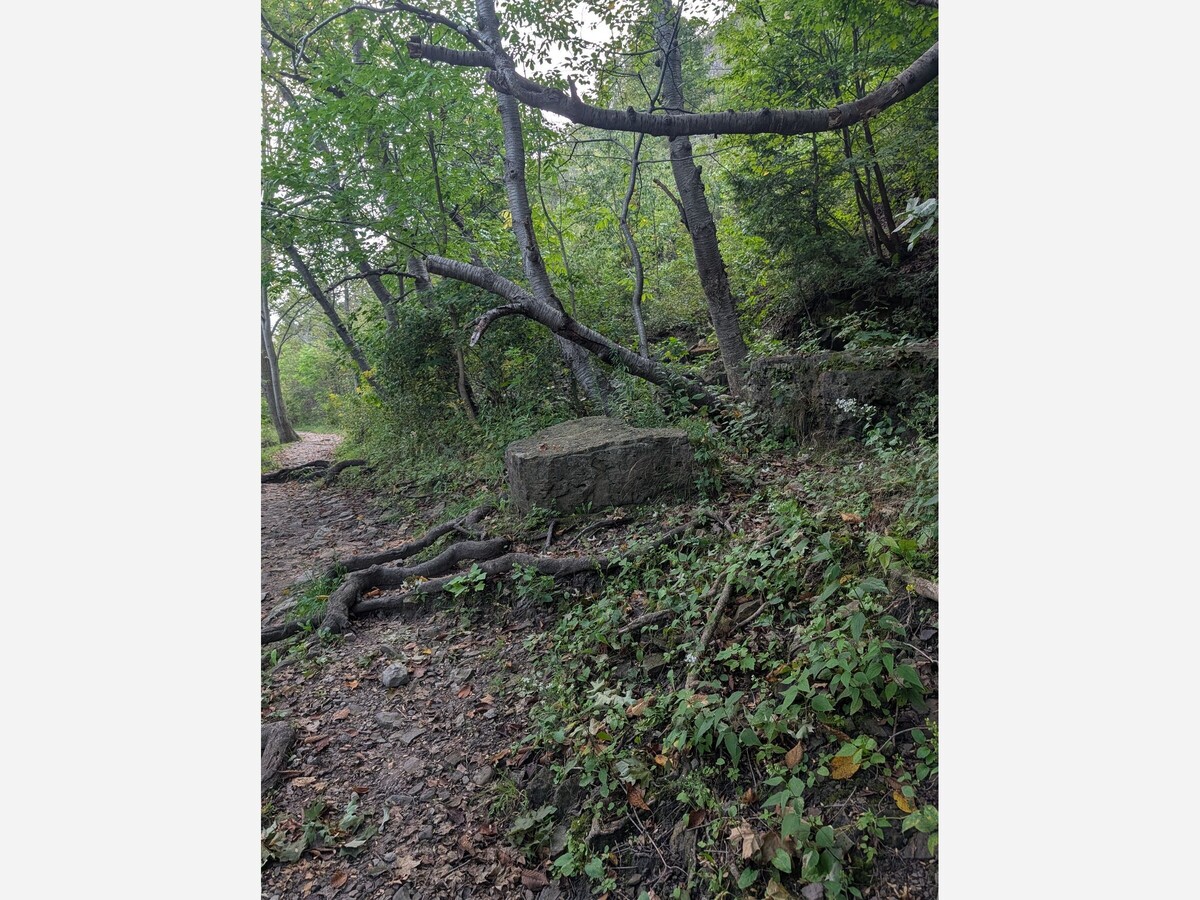
The state does a good job on trail maintenance. A cherry tree leaning over the trail was freshly pruned. You could tell by the clean cut and sawdust on the ground.
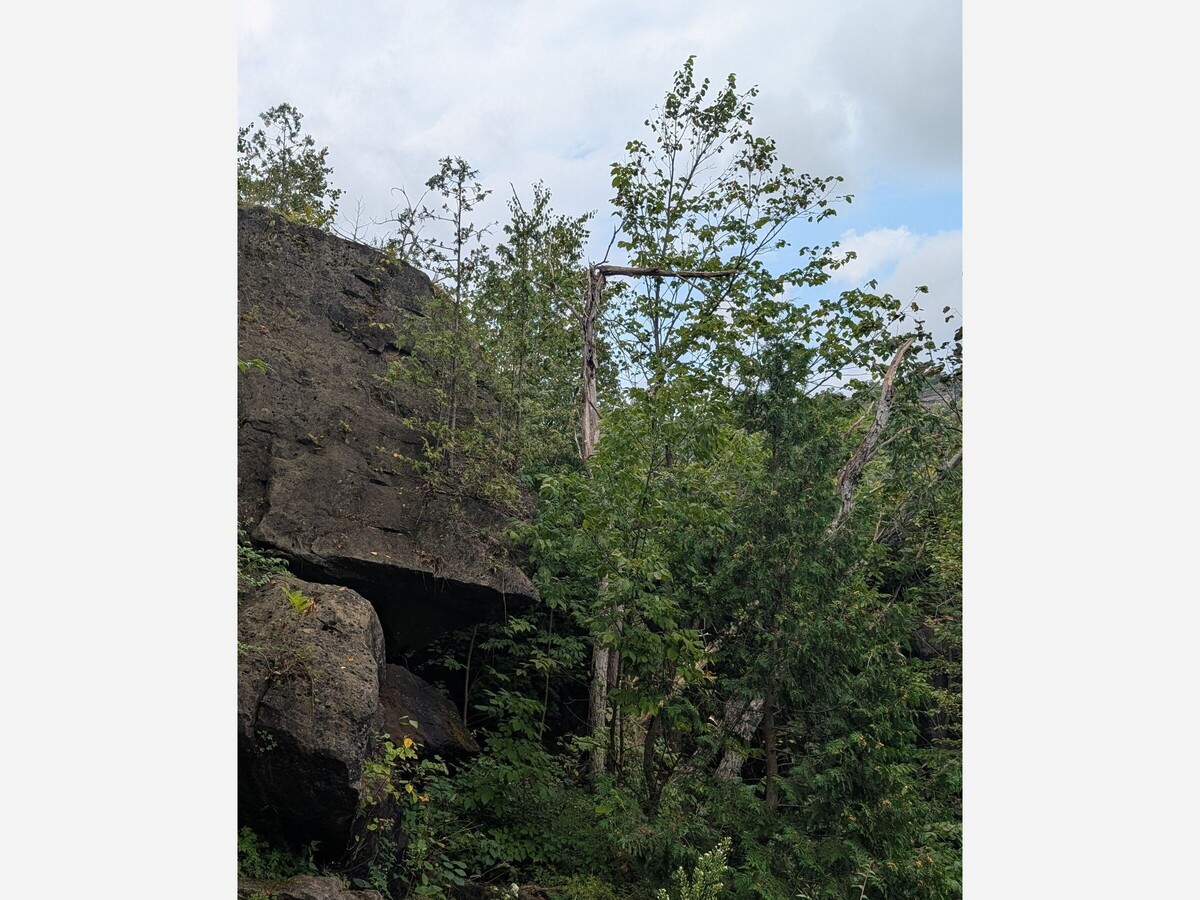
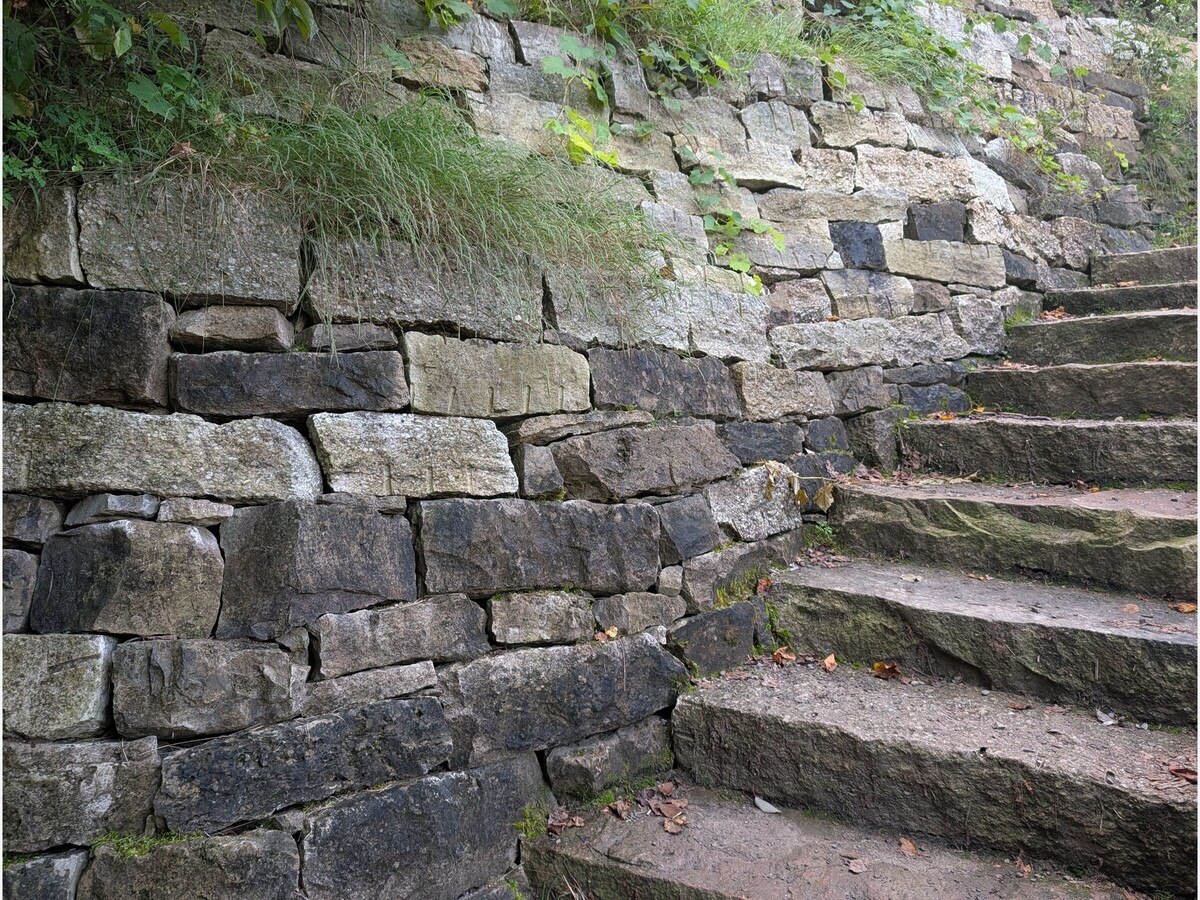
It is amazing looking at the stonework along the stairs because you can tell it was not only drystacked but built to last.
The other thing about the stairs is they feel shorter than they used to because the steps are now uniform. That makes walking them in rhythm easier.
(Here is an article I wrote in April, 2022 about the reconstruction of the Whirlpool stairs.)
The hand sledge rhythm is slow and deliberate, the strokes practiced and controlled. Slowly the big rocks become small. The river roars in the background.
Tido has been at this section of wall for a few days now, first building a dry-stacked retaining wall along the Whirlpool State Park stairs, then moving on to back fill. Backfill sounds easy until you think “whack, whack, whack” for hours with no end in sight, safely guarded by glasses and ear protection. The section of wall is maybe 2-feet high and 4-feet long or so. The work has an almost Zen feel.
“Tido” is a trail name Tom Schafer uses on his work for Tahawus Trails LLC where Partner Tom Kindling is in charge of the $1.433 million restoration of the lower half of the Whirlpool Stairs. A similar crew rebuilt the top end in 2016.
“The whole trail was sliding downhill,” Kindling explained. “Everything is so steep. We see a lot of birds and notice the river changing.”
There is no easy way to move the 800 to 1,000 pound quartz conglomerate slabs into place. In another location, trees would give a leverage advantage for heavy lifting.
Here, it is a different situation. The ancient cedars on the hillside may be lithe but they deserve respect rather than the work of bracing half-ton rocks.
Instead, the crews put in place a highline of steel cable, braced with tripods, straps and winches. They use the system (and gravity) to get the rocks close to where they need to be.
There are 6 highlines set from top to bottom. Each is winched tight and then used to brace, push, slide and roll the slabs into place with rockbars, rollers, branches and cribbing. So much leverage, so many triangles in one place would make Archimedes and Pythagoras proud.
“A lot of these things are incorporated from mining, logging and sailing,” Kindling said, pointing to a brace wraped in a belay line. “It is a lot of problem solving and at this point, a lot of tricks.”
The trail was initially built by the Civilian Conservation Corps in the 1930s and was rebuilt in the 1960s.
“A lot of the existing work is mortared,” Kindling said, “so they must have brought concrete in.”
The crew tries to replace dry stack construction (most of the 60s work) with more dry stack and will repair mortared work (from the CCC) when necessary.
Erin Amadon has been on the job as a professional trailbuilder for more than 20 years. On this day she was working alone, lower on the stairs.
“I’ve been doing a little bit of everything,” she said, leaning on a rockbar, “working on some bunks, moving some stone down.”
Female trailbuilders aren’t that uncommon. Much of the work, as much as it might appear based on brawn, is grounded in technique and leverage. Amadon said she recently visited a professional trailbuilders conference and was heartened to see 33 females in one session.
For her, it’s hard to figure out what’s most fascinating.
“Seeing the plants and the nature, seeing the biology and the old work,” she said, “how they did it. I like the geodes and the fossils when you bust a rock open. We put them in behind.”
Tido waxed philosophical about things.
“Every place has its own magic,” he said. “This place is beautiful.”
Weather can be a constant battle.
“We’ve lucked out so far this spring,” Kindling said. “The first week we had rain and snow but now we have tshirt weather. We cross our fingers.”
The trio will be here, living in rented housing, with Diesel the lab mix standing guard until sometime in late June/early July, depending on progress.

god works in strange & mysterious ways. may he continue to wrap his arrms around mr. james.

Sunny, with a high of 63 and low of 47 degrees. Sunny in the morning, overcast in the afternoon and evening, clear overnight.